
Benin: launch of Phase 3 of the Alafia microcredit in Parakou
On October 2, 2025, the city of Parakou, the economic hub of northern Benin, came alive with the official launch of phase 3 of the Alafia microcredit program.

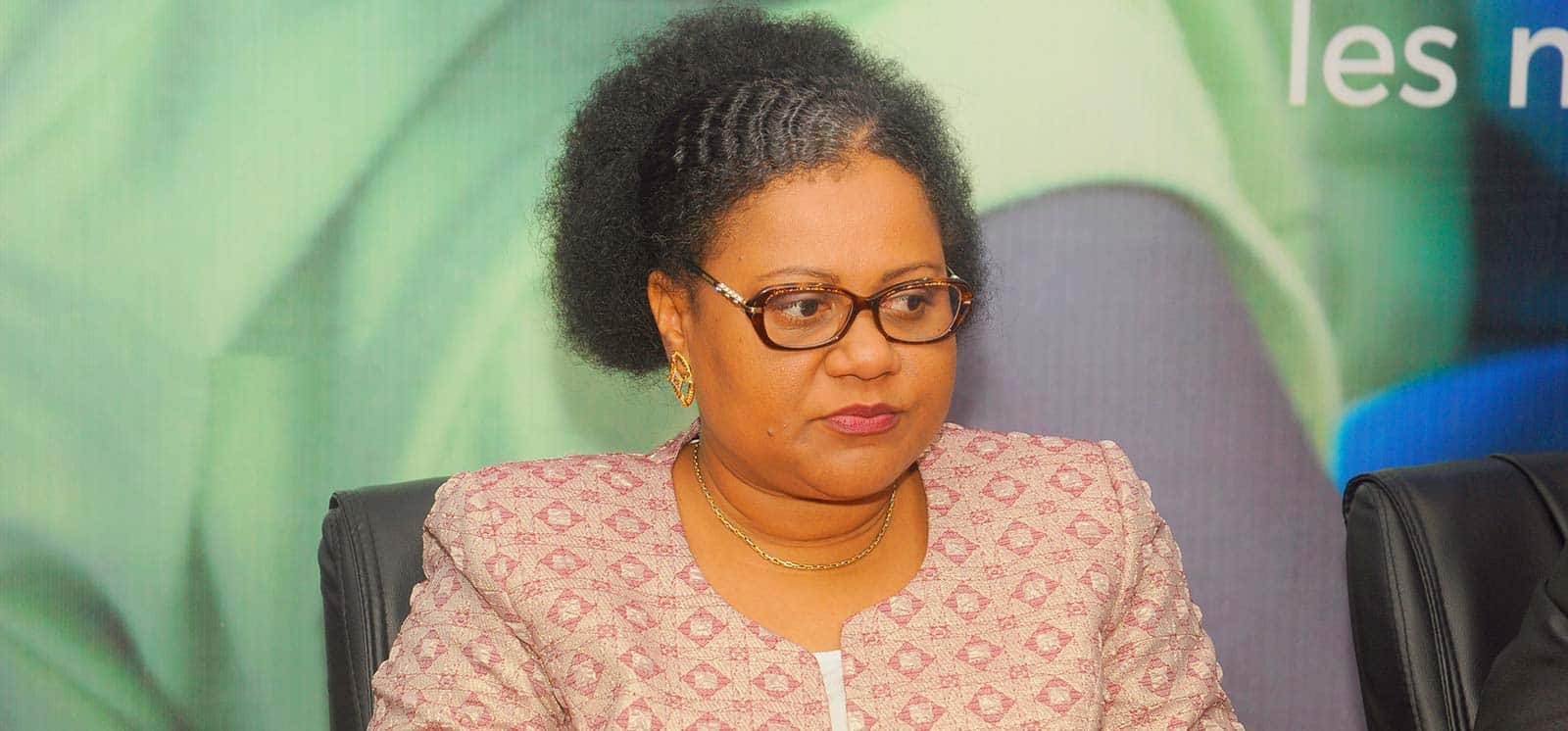
The ceremony, held on O’tabera Square, brought together prominent officials, including the Minister of Social Affairs and Microfinance, Véronique Tognifodé, the President of the Economic and Social Council, Conrad Gbaguidi, as well as local representatives and technical partners.
This third phase marks a crucial milestone in the history of financial inclusion in Benin. After the success of the first two phases, which enabled the disbursement of more than 47 billion FCFA, the government has chosen to expand the opportunities available to beneficiaries.
Loans now reach 200,000 FCFA, with an interest rate reduced to 8% per year and an insurance premium lowered from 1.2% to 0.35%, making access even more attractive and equitable.
Since its launch in 2020, the Alafia microcredit has transformed the lives of hundreds of thousands of Beninese, particularly women and young people. As of August 31, 2025, more than 481,000 women and 70,000 men have benefited from this scheme, for a cumulative amount exceeding 49 billion FCFA injected into the local economy.
These funds have supported income‑generating activities, created jobs, and strengthened the financial autonomy of the most vulnerable populations.
For beneficiaries present in Parakou, this phase 3 represents “a breath of fresh air.” Many expressed their gratitude to the government and technical partners, noting that the increase in the loan ceiling will better finance their projects and improve their living conditions.
Beyond the increase in amounts, several innovations accompany this new stage. The number of partner decentralized financial systems (SFDs) now rises to 20, further strengthening the service’s local reach.
Loans are directly accessible via mobile money (MTN, Moov, Celtis), with withdrawal and repayment fees covered by the State. Another major reform: simplified access conditions. To qualify for the loan, it is sufficient to present a valid CIP document and to form a solidarity guarantee group or present two guarantors.
This scheme, completely depoliticized, places the dignity of beneficiaries at the heart of the program, as Véronique Tognifodé reminded: “The Alafia microcredit is no longer an instrument of clientelism, but a true lever for development serving exclusively vulnerable populations.”
The President of the Economic and Social Council, Conrad Gbaguidi, stressed the need for regular loan repayments. According to him, “Each repayment made paves the way for other beneficiaries. It is an act of solidarity that allows the program to renew itself and reach more vulnerable families.”
Comments