
2026 Presidential Election: The “Rupture” Governance Enters a Passive Phase
The nomination of Romuald Wadagni as the ruling coalition’s candidate for the 2026 presidential election marks a turning point in Benin’s political dynamic. Minister of State in charge of Economy and Finance since 2016, Wadagni has been chosen by Patrice Talon to ensure the continuity of his agenda. Yet his candidacy raises a crucial question: how to reconcile governance with electoral campaigning?

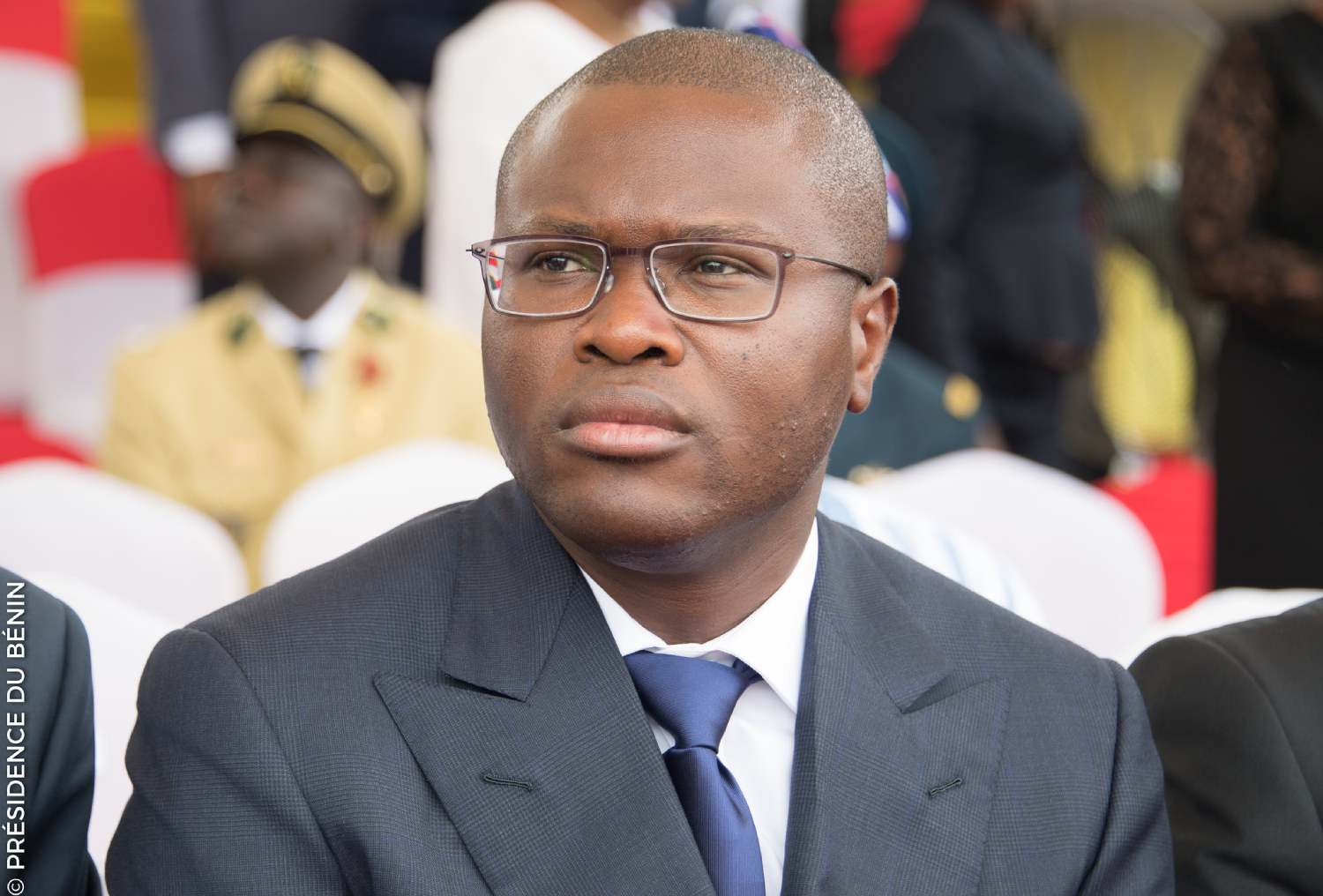
Beninese law does not require a minister to resign once he becomes a candidate. Legally, Wadagni could remain in office, but politically, the situation is delicate. Every decision made at the head of the Ministry of Finance, every negotiation with international partners will be scrutinized through the lens of his electoral ambitions. Keeping Wadagni in government would expose the executive to criticism regarding the fairness of the competition.
Patrice Talon has chosen a clear strategy: to release his “joker” from governmental duties so he can hit the campaign trail. Wadagni will be able to focus entirely on his candidacy, while the president himself has pledged to actively support him. This decision symbolically signals a pause in government momentum, with the rest of the state apparatus mobilized to secure the electoral success of the ruling coalition’s candidate.
Since coming to power, Talon has rarely carried out large-scale cabinet reshuffles. Wadagni has been shielded from such changes, consolidating his position as a government pillar. His longevity and remarkable economic performance have made him a key minister, spared from the usual political turbulence. The 2026 campaign changes everything: his role as a technocrat now shifts to that of a candidate and standard-bearer of a planned succession.
The maneuver is doubly strategic. It ensures continuity in government action while freeing Wadagni for the campaign, and it rallies the entire ruling coalition around his candidacy. The president thus secures the transmission of his legacy while minimizing the risks of accusations of favoritism or electoral imbalance.
Ultimately, this temporary reorganization highlights a classic dilemma in democracies during election periods: how to balance state management with the preparation of a presidential campaign without one undermining the other. Benin is entering a phase where governance, deliberately, takes a back seat, as the executive’s attention shifts toward ensuring the electoral victory of its candidate.
Comments