
When the ballot boxes run dry, politics speaks for itself
The 2026 legislative and municipal elections in Benin will not have been marked by the enthusiasm of the crowds.

SUMMARY

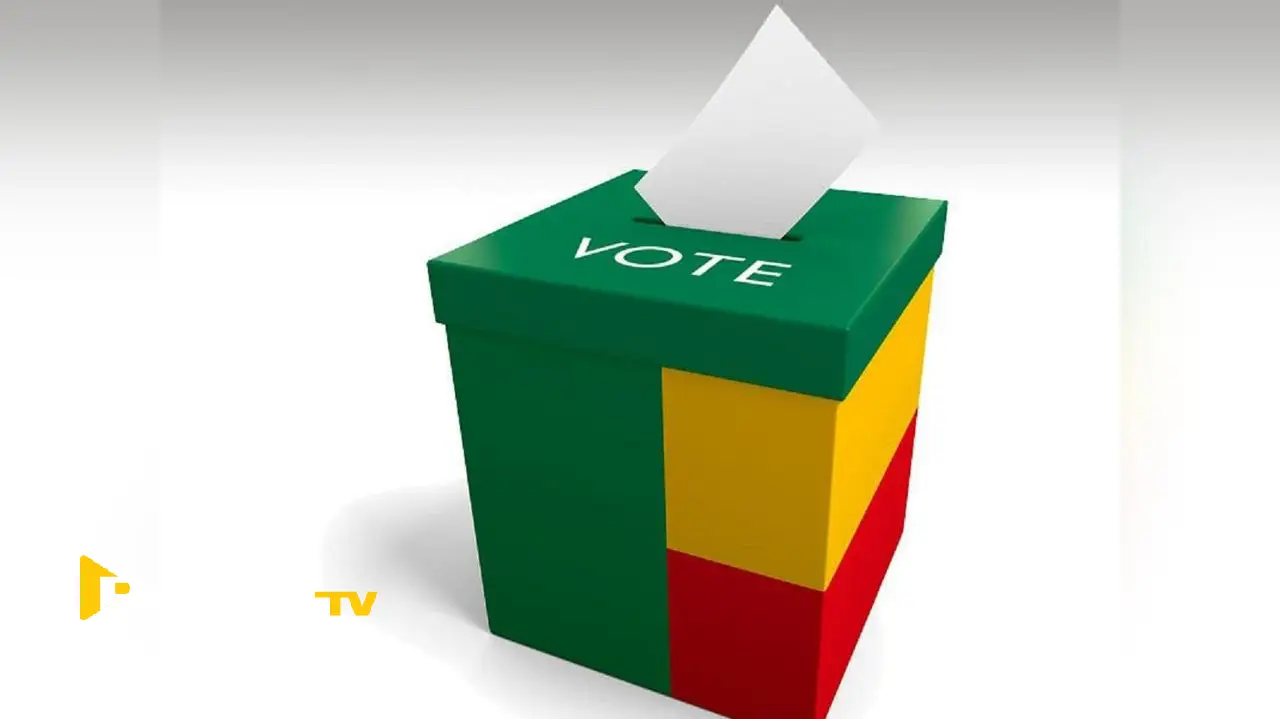
Although turnout has not yet been officially announced, there is nonetheless a finding shared by all stakeholders: the low voter turnout. It is a trend now established: the gradual disengagement of citizens from the electoral process.
This disinterest is not a calendar accident. It has been observed, election after election, since Patrice Talon’s ascent to the supreme office. As if, as institutions consolidate from above, the civic bond is thinning from below.
This malaise is less spectacular than an open crisis, but more daunting because it settles in over time. It is not expressed in the streets nor through mass protests, but through silent withdrawal.
A growing portion of Beninese no longer believes that the ballot can sway the course of public decisions. The institutional machinery works, elections are held, results are proclaimed, but popular support erodes.
Due to electoral reforms perceived as restrictive, increasingly locked-in political competition, and a weakened or marginalized opposition, elections have ceased to appear as a real space for choice.
It has become, for many, an administrative ritual more than a moment of citizen sovereignty.
This disengagement is not the product of indifference, but of disillusion. The citizen does not boycott out of apathy; he withdraws because he no longer recognises himself in a political offering that he deems narrow, predetermined, sometimes inaccessible.
Democracy continues to exist in its forms, but struggles to convince in its meaning. What is at stake is not simply electoral fatigue, but a deeper fracture between power and society. A silent fracture, without slogans or barricades, but whose turnout rates are now the most reliable barometer.
Low turnout is not a sign of maturity
The ruling power, like part of the political elite, is tolerating this low turnout. The argument is usually the same: stability, institutional discipline, the end of electoral disorder.
But democracy is not measured only by the calm of its elections. It is measured by the depth of citizen engagement.
A body of electors that retreats progressively from political life is not a sign of maturity. It is the symptom of a deep malaise: a sense of exclusion, powerlessness, and a disconnection between public decisions and daily life.
This malaise is not conjunctural. It takes root in a broadly shared perception: politics is now made without the people, or at least without their real input.
A victory without full popular legitimacy
The elections in Benin continue to produce legal institutions, but are politically weakened by abstention. Legality alone is not enough to build legitimacy.
A government arising from poorly participative elections may govern, but it governs on a narrow social base, exposed to distrust, resignation, and, ultimately, diffuse contestation.
This paradox is central: the more the system is controlled from above, the more it drains from below. The machinery runs, but support ebbs away.
In conclusion, we are seeing an administered democracy, but one that is lived less and less. The latest municipal and legislative elections do not mark a dramatic crisis. They signal something more worrying: a quiet erosion of the civic bond.
The real challenge, therefore, is not electoral but political in the strongest sense: how to give the act of voting real meaning in a system perceived as locked? Until this question is addressed, turnout will continue to decline, and with it, the country’s democratic vitality.
Comments