
Elections in Benin: slow start and limited incidents, according to civil society
The joint conduct of the municipal and legislative elections, on Sunday, January 11, 2026 in Benin, took place under the close observation of civil society. In the morning, the Electoral Platform of Civil Society Organizations (CSOs) released a first statement based on the reports of its 1,200 observers deployed in the country’s 12 departments. Facing the press, its representative, Maître Alexandrine Saïzonou Bédié, presented the main takeaways drawn from the first hours of the vote.

SUMMARY

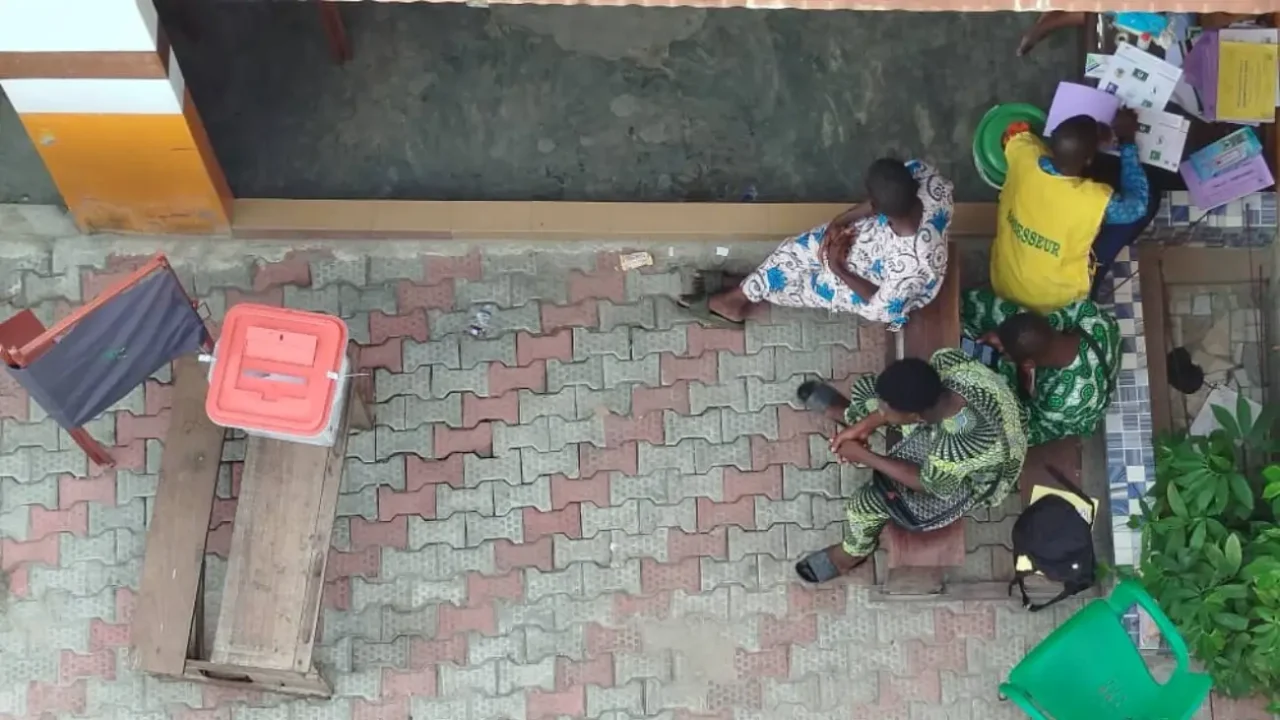
One of the major findings concerns the adherence to the official opening time for polling stations. According to the data collected, only 30.87% of the stations followed had actually started operations at 7 a.m., as provided by law. Delays were thus recorded in several localities. At 8:36 a.m., although more than 91% of the observed polling stations had the five members required to operate, this presence did not systematically enable a punctual start to the electoral operations.
Despite these delays, the Platform notes broadly satisfactory elements in terms of electoral logistics. By 8:54 a.m., the materials necessary for voting were available at nearly 96% of the observed polling stations. In more than 98% of cases, the devices in place allowed for the secrecy of the vote to be guaranteed. The transparent ballot boxes were shown to voters as empty before being sealed in accordance with procedures, then installed visibly in the polling offices.
On the security front, observers noted a relatively calm climate. At 9:53 a.m., the presence of law enforcement was judged not to be deterrent in about 84% of the 770 polling stations evaluated. The question of female representation in the administration of polling stations also drew attention: of 700 stations observed at 8:51 a.m., a woman served as chair in just under 29% of cases.
55 major alerts recorded
The Platform also turned its attention to the respect of electoral procedures. Voter identification and ballot authentication were correctly applied in more than 98% of situations observed at 9:10 a.m. The opening of secure envelopes in the presence of voters was also largely respected.
However, 55 major alerts were recorded, notably relating to delays in opening, the absence of electoral material, or the inaccessibility of certain polling centers. According to Maître Bédié, the majority of these difficulties were resolved thanks to interventions by the Autonomous National Electoral Commission (CENA), via its Response Chamber.
In light of these observations, the CSO Platform makes several recommendations to the CENA, notably the full operational functioning of all polling stations and the adjustment of the election duration according to the actual opening hours. It also calls for better anticipation of constraints related to vote counting and logistical coordination.
For the voters, a call for calm, patience and civic-mindedness was issued, while the media are urged to intensify awareness campaigns, particularly in local languages, in order to maintain citizen engagement despite the observed delays.
Comments