
CCO Failure: Antoine Guedou Vissétogbé Explains the Causes.
The former spokesperson for the opposition’s coordination framework, Antoine Guedou Vissétogbé, has offered his analysis of the reasons behind the failure of this political initiative intended to unite the opposition forces against the ruling power.

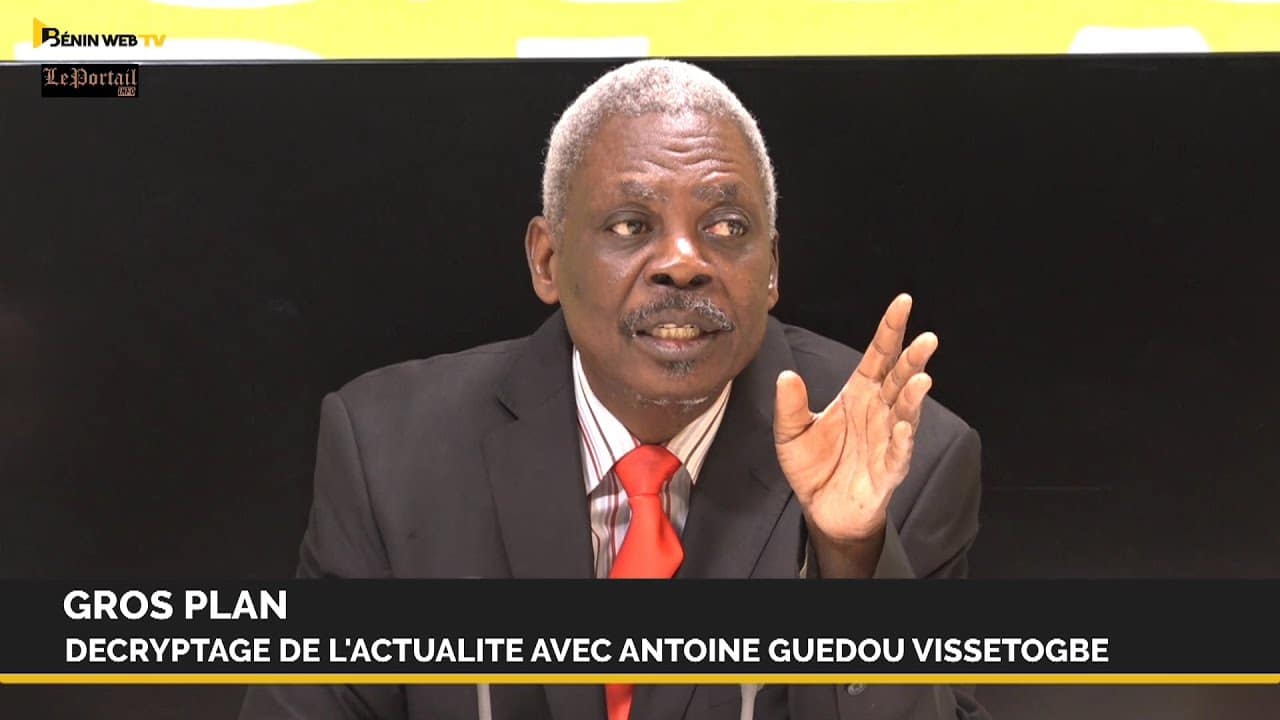
According to him, several internal dysfunctions gradually weakened the coalition. He cites, in particular, a lack of regular strategic meetings, preventing any effective coordination among member parties. In addition, according to his statements, there is a deficit of transparency, especially regarding resource management and partner support.
Another breaking point he highlights is the lack of inclusivity in decision-making mechanisms. Antoine Guedou Vissétogbé denounces the absence of representatives from certain political formations in key bodies, notably those related to electoral processes. A situation which, according to him, fueled frustrations and mistrust among the actors.
He also points to repeated violations of the internal texts of the coordination framework, partly attributed to the party Les Démocrates, though the opposition’s leading party. These breaches of common rules would have contributed to deteriorating the climate of trust indispensable to any political coalition.
Moreover, the absence of a formal political agreement among the different components, particularly in view of the 2026 electoral deadlines, is presented as a determining factor of blocage. In addition, persistent internal rivalries, described as “guéguerres,” which ended up paralyzing the framework’s functioning.
In light of these cumulative dysfunctions, the political actor believes that the coordination framework was no longer able to fulfill its mission of coordination and a shared strategy. His analysis highlights the structural difficulties of Benin’s opposition in building a durable, unified dynamic as the major electoral milestones approach.
Comments