
Nuclear: Iran considers its withdrawal from the Treaty on the Non-Proliferation of Nuclear Weapons
Iran threatens to withdraw from the Treaty on the Non-Proliferation of Nuclear Weapons (NPT), a major international pact it ratified in 1970.

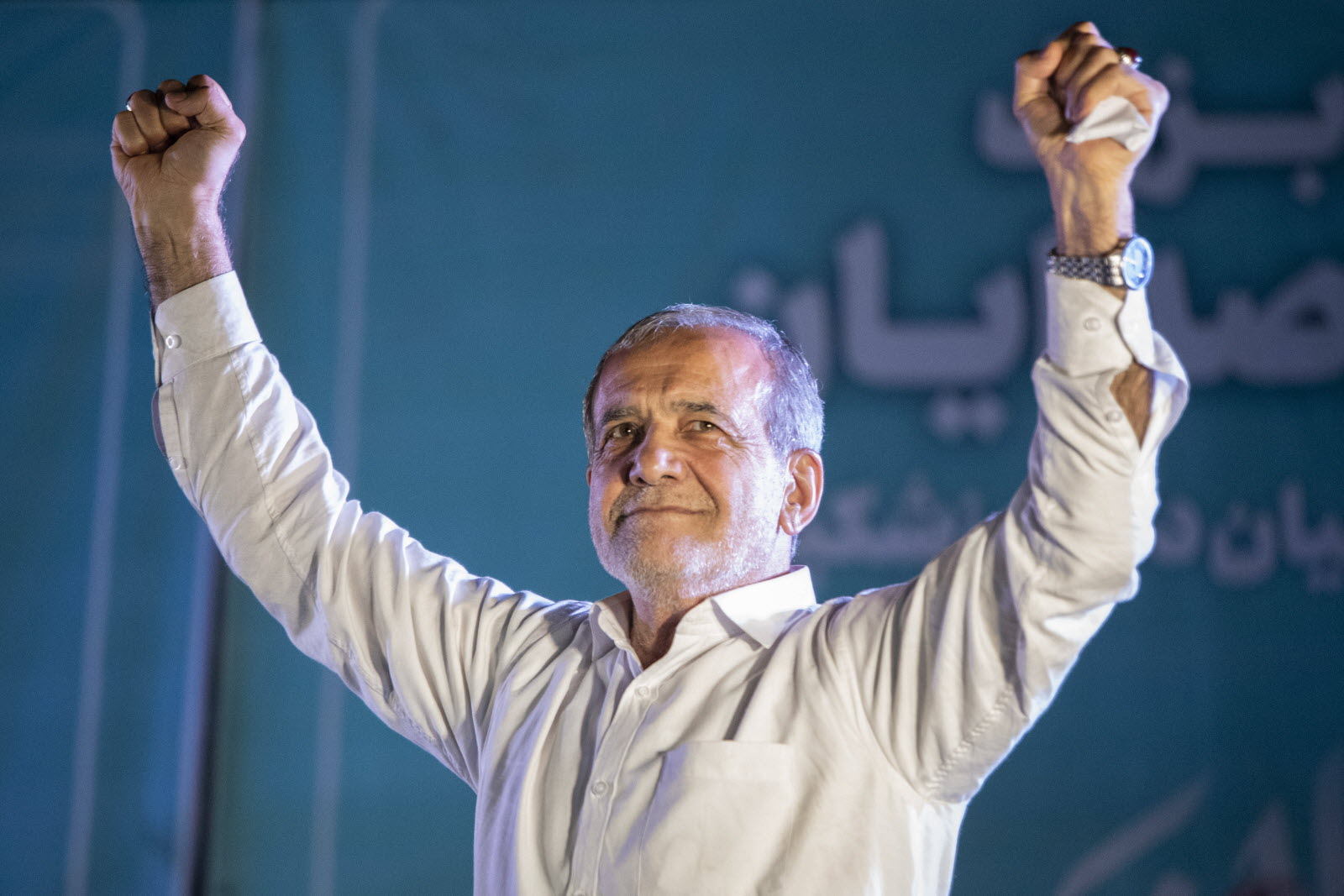
This possibility, taken very seriously today, marks a turning point in the country’s nuclear stance and raises growing concern for regional and global stability.
The NPT forbids non-nuclear armed states from acquiring them, while recognizing their right to develop nuclear energy for peaceful purposes. Five powers, namely the United States, the United Kingdom, Russia, China and France are recognized as officially nuclear-armed states under this treaty.
Iran, although a signatory for over 50 years, could cross a red line. According to Esmaeil Baghaei, spokesman for the Iranian Foreign Ministry, a bill authorizing the treaty’s exit is being drafted in Parliament.
“In light of recent developments, we will make the appropriate decision. The government must implement laws adopted by Parliament, and such a proposal is currently being coordinated“, the diplomat declared.
Towards a lifting of restrictions?
In the event of an actual withdrawal, Iran would no longer be bound by the commitments of the NPT, which would theoretically open the way for a nuclear weapons program. Such a development could rekindle tensions in the Middle East and relaunch the arms race in the region.
Washington, on the other hand, continues to push for a total dismantling of the Iranian nuclear program as part of discussions on a new multilateral agreement.
While Tehran insists that its nuclear activities are strictly civilian, a recent report by the International Atomic Energy Agency (IAEA) casts doubt. It reveals that Iran has enriched uranium at levels close to those needed for a nuclear weapon, in violation of its commitments.
This report fuels Western concerns, particularly in Europe and the United States, about a disguised ambition to militarize Iran’s nuclear program.
Iran’s withdrawal from the NPT would constitute a precedent fraught with consequences. In addition to weakening the global non-proliferation architecture, this decision could further deteriorate Iran’s diplomatic relations with Western and regional powers, while increasing the country’s isolation on the international stage.
Comments