
Cooking Without Destroying: Vegetables, Secrets of Health and Well-Being in Benin
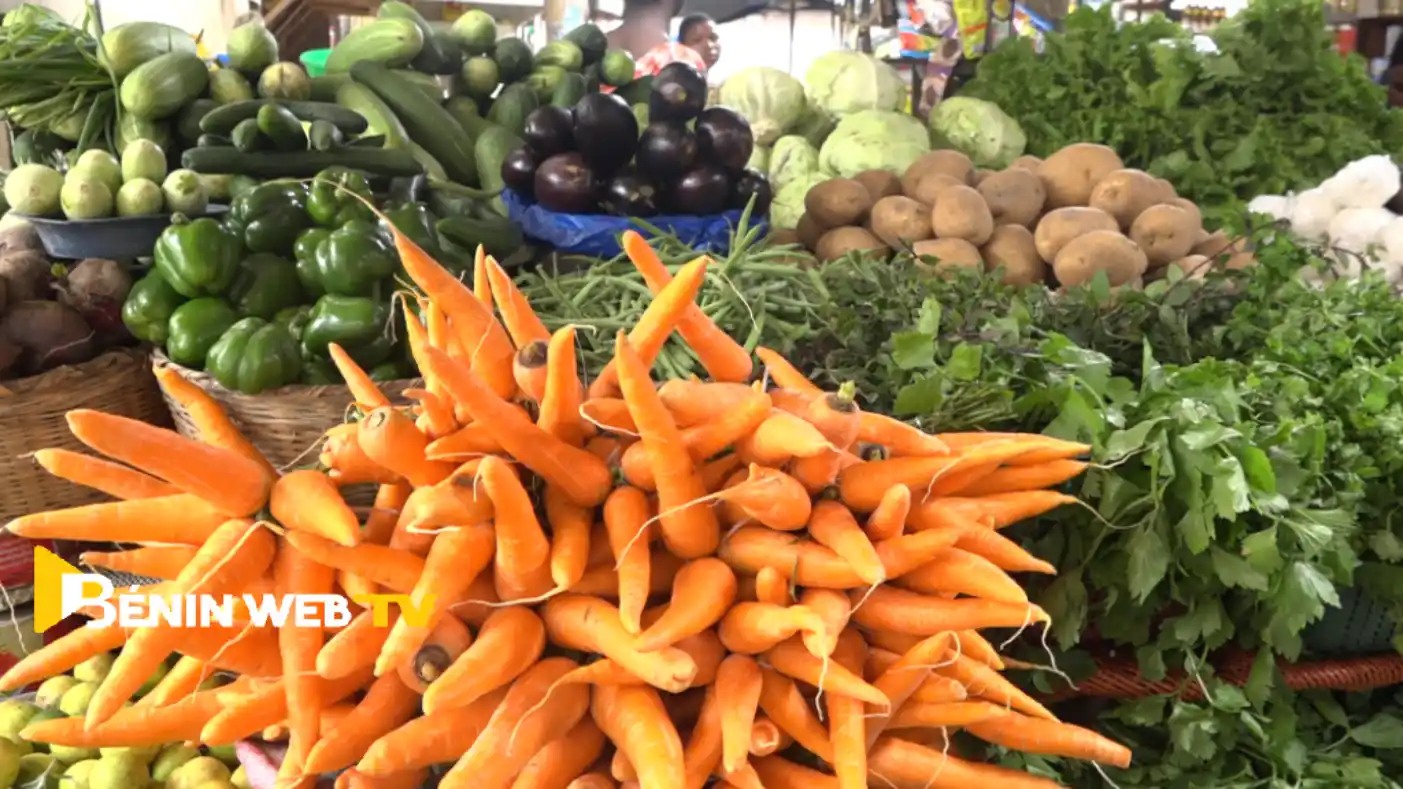
While vegetable consumption remains insufficient in Benin, nutritionists, producers, and chefs are sounding the alarm on the urgency of adopting new eating habits. From local production to culinary practices, including steaming and gentle cooking methods, all insist on the need to preserve nutrients and flavors to protect public health and ensure the well-being of the population.

SUMMARY
Daily consumption of vegetables is a recognized pillar of health and well-being. Yet, according to the World Health Organization (WHO), most West African households fail to meet the recommendation of 400 g per day. In Benin, this dietary gap worries specialists. “We are experiencing a considerable decline in vegetable consumption,” warns Serge Patrick Zinvoedo, a nutritionist, dietitian, and professor.
“This underconsumption is a major factor in chronic diseases such as diabetes, heart disease, and kidney failure.”
According to him, “it is imperative to rethink our culinary habits and integrate more vegetables into our daily meals.”
The Art of Cooking Well to Preserve Nutrients
One of the main problems identified lies in poor cooking practices. Too often, vitamins and minerals evaporate due to excessive cooking. For Serge Patrick Zinvoedo, the solution lies in “steaming or gentle simmering,” which helps preserve nutrients. “When vegetables retain their green color, it’s a sign they still have their benefits,” he emphasizes.
Chef Jean-Roland Agbogba, better known as Chef Roland, has also modified his practices: “For a long time, I used to blanch vegetables and throw away the cooking water, but today I reintegrate it into my sauces. This preserves both flavor and nutrients.”
This approach has paid off. “Most of my clients enjoy my dishes even more. They feel the vegetables are fresh and flavorful,” says the chef, who strongly recommends steaming and gentle pre-cooking.
Eating Local: A Healthy and Sustainable Alternative
Beyond preparation, the origin of vegetables is crucial. Fredy Dandy, secretary general of the Togbin Daho village cooperative, stresses the importance of prioritizing local produce: “What we grow ourselves, we know how it’s treated. We use natural methods, with poultry manure and without chemicals.”
This guarantee of quality contrasts with the uncertainty surrounding imported products. “With vegetables from abroad, we don’t know what fertilizers or GMOs they may contain,” he adds. For him, the motto is clear: “Let’s eat local—it’s better for our health and our economy.”
Local methods also allow natural preservation. “In the shade and sprinkled with a little water regularly, our vegetables can keep up to six days,” explains Fredy Dandy.
The Plate as Medicine
In Benin, vegetables are not just food. They are true natural medicine. “With vegetables, we prevent inflammation and strengthen the intestinal flora,” says Serge Patrick Zinvoedo. He recommends washing vegetables with lemon and salt to eliminate microbes and bacteria responsible for diseases such as typhoid fever or diarrhea.
To illustrate this therapeutic dimension, he cites the example of glaceman (also called “ox tongue”), a vegetable found in southern Benin and rich in water. “There’s no need to cook it with potash or baking soda—that destroys its vitamins. Simply grate it finely and serve it with a simple juice. This way, you preserve all its properties.”
Mariette Vignihoué, a cooking enthusiast, agrees: “Baking soda and potash kill all the nutrients. I recommend preparing vegetables without these additives to preserve their freshness and benefits.”
Taste and Health United
Consumers confirm that well-prepared vegetables are both tasty and beneficial. “I found the dish very flavorful; the vegetables were well-seasoned and remained crunchy,” says Henoc Tossou after tasting a dish prepared according to expert recommendations.
“The cooking was perfect—neither too soft nor too hard. You could tell the vitamins were preserved and the vegetables kept their freshness,” he added. This appreciation shows that changing cooking practices does not mean giving up taste, but rather enhancing it.
The Collective Challenge of Awareness and Training
Although solutions exist, they must be widely known and adopted. Awareness remains a major challenge. “We lack a real campaign to inform people about the importance of vegetables,” laments Serge Patrick Zinvoedo. In his view, organizations such as Cascade and Care Benin-Togo should inspire nutritionists and dietitians to hold regular awareness days to explain the benefits of each vegetable with scientific evidence.
He stresses three challenges: lack of awareness, poverty—which leads some to believe vegetables are expensive—and misinformation. For him, experts in nutrition and natural health should hold at least biannual or even monthly campaigns to educate citizens on the nutritional value of vegetables and their effects on health. “For example, if a patient has a vitamin B deficiency, he should be shown which foods contain it and encouraged to consume them regularly. After six or seven months, a health check will confirm the improvement.”
Toward a New Food Culture
Vegetables are far more than a side dish. They are shields against disease and engines of well-being. But for every household in Benin to benefit, a change in mindset and habits is required.
Experts urge breaking the barriers of poverty and misinformation. “Vegetables are within our reach. We have crin-crin, combo, peppermint, or kouaïbama,” recalls Serge Patrick Zinvoedo. According to him, these local, affordable, and accessible varieties could easily be incorporated into daily meals if better valued.
“If we can start by eating vegetables at least four to five times a week, we could protect ourselves from many chronic diseases, such as malnutrition, diabetes, heart disease, neurological disorders, and kidney failure.”
It is now up to each individual to turn these best practices into daily reflexes. Beyond mere culinary accompaniment, vegetables stand out as natural shields against chronic diseases and as essential assets for well-being. More than ever, they belong at the heart of public health in Benin.
Cooking without destroying means preserving our vegetables, protecting our health, and securing our families’ future. Let us adopt good practices today so that vegetables truly become the cornerstone of Beninese well-being.
Comments