
Agriculture in Benin: The government launches the pilot phase of a groundbreaking program that combines productivity and social protection.
The agricultural sector in Benin is poised to undergo a significant transformation. During the cabinet meeting on Wednesday, September 2nd, the government authorized the implementation of the pilot phase of the Agricultural Productivity and Social Protection Program for Farmers, which is scheduled to be launched during the short rainy season of 2026.

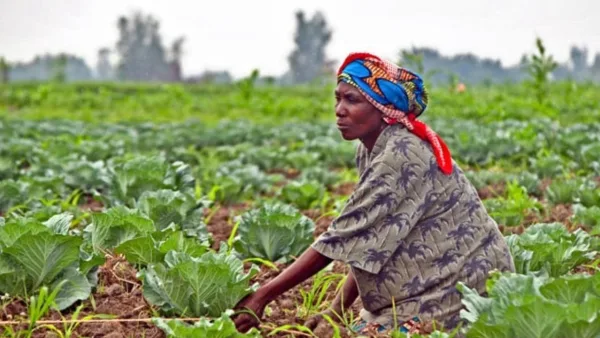
Focused primarily on maize producers, this comprehensive initiative aims to sustainably transform the conditions of life and work in rural areas.
The initiative is structured around three fundamental pillars: increasing productivity, securing incomes, and providing access to protective social security. To boost yields, the 2,000 producers targeted in this experimental phase, each cultivating an average of 1.5 hectares, for a total area of approximately 3,000 hectares, will receive comprehensive technical support.
This includes providing high-yielding hybrid seeds, fertilizers, plant protection products, and soil amendments, all supported by mechanization services and enhanced agricultural support.
Economically, the program will rely on the national mechanism for aggregating and regulating food production. This structure is intended to ensure the smooth distribution of harvests and to guarantee farmers a better return on their surplus production.
However, the major innovation of this plan lies in its social component: beneficiaries will be provided with comprehensive health insurance covering up to six people per household (two adults and four children), as well as a retirement savings or fixed-term deposit scheme.
To ensure the effectiveness and transparency of the operation, the project is leveraging digital technology. The deployment of a dedicated platform will enable the identification and geolocation of each producer and their land, while also providing real-time monitoring of farming practices, the use of inputs, and crop yields. The involvement of specialized agricultural consulting firms will complement this support system.
Following this pilot phase, a rigorous evaluation will be conducted to measure the impact of the model before considering its gradual expansion to other agricultural sectors and to all agro-ecological zones of the country.
The relevant ministers have already been instructed to finalize the operational arrangements for the effective implementation of the program.
Comments