
“Just because we’re Beninese doesn’t mean we’ll work together,” Angélique Kidjo
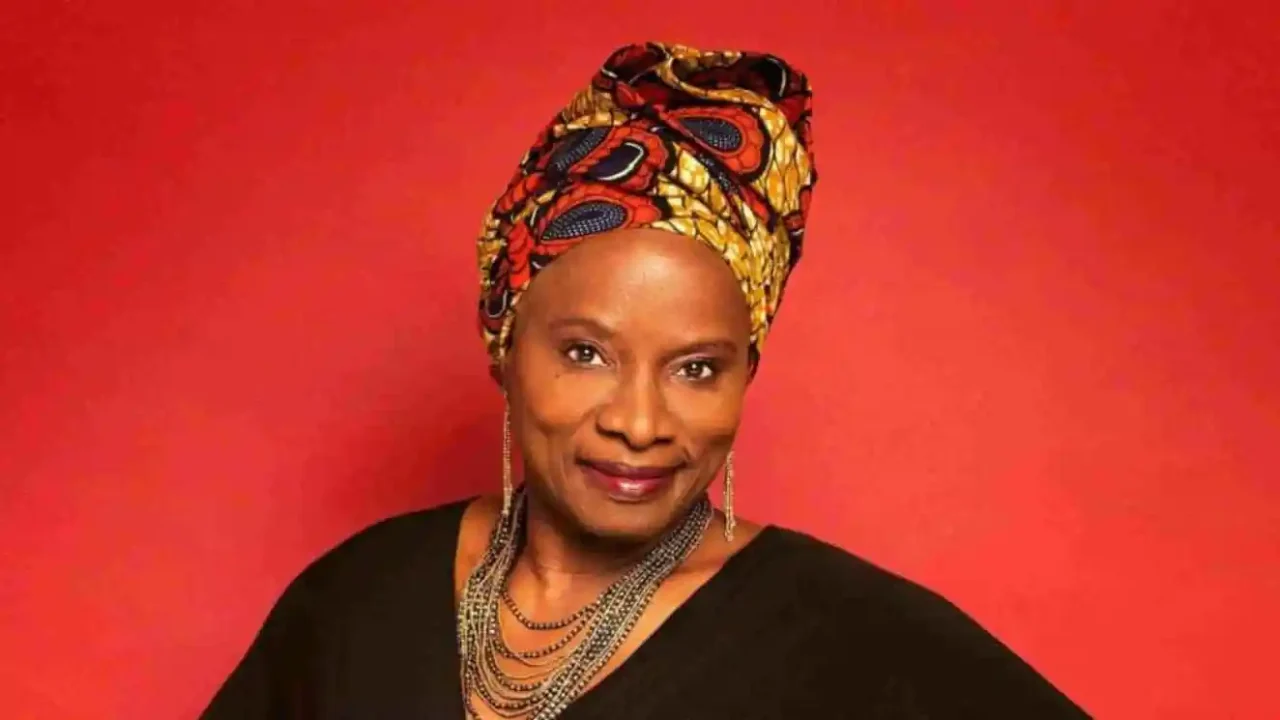
In a statement upon her arrival in Cotonou for Vodoun Days 2026, Angélique Kidjo addressed the recurring criticisms accusing her of not collaborating with Beninese artists.

SUMMARY

The clarification is clear and deliberate, and Angélique Kidjo sets the terms for collaboration. For her, “it’s not because we’re Beninese that we’re going to work together.” It’s a response to her silence often interpreted as a lack of interest in the national music scene. Facing those who accuse her of putting more of her talent to the service of other countries, the artist reminds that any collaboration, regardless of the artist’s origin, must meet a single imperative: to serve a song and carry music capable of shining beyond borders.
For the Beninese singer, who has spent decades on the world’s biggest stages, nationality should not be a sufficient criterion. For her, collaboration implies a shared vision, a high level of rigor, and total commitment to quality. “If this music isn’t good enough, I’m not serving anyone,” she says. Moreover, she rejects any form of complacency that could harm both her image and that of the artists she works with.
Contrary to the accusations, Angélique Kidjo recalls having worked with several Beninese artists, notably Zeynab, or on projects incorporating traditional sounds. But she insists that some tracks she contributed to were never released, not for lack of willingness, but because the final result did not meet the expected standards. A reality often ignored in public debate.
Artistic Excellence and African Responsibility
Beyond her own career, Angélique Kidjo frames this demand within a broader fight for the recognition of African music. Long confined to the reductive label of “world music,” which she fought against even within international bodies like the Grammy Awards, the artist now sees Afrobeats as a space of freedom and expression for the entire continent.
According to her, this movement offers a common canvas for telling Africa in all its complexity, incorporating local rhythms, languages, and cultural identities. But this newfound visibility comes with a responsibility: maintaining a high level of quality, because “people often expect us to fail,” especially when it concerns African artists, and even more so African women.
Professionalism, rigor, respect for a job well done, and the ability to produce lasting works remain, in her view, the true passports for fruitful collaboration.
Comments