
El Niño threatens Asia, prices could surge by 15.8% by 2028
Drought is spreading across several regions of Asia as El Niño is expected to strengthen further. Rice, palm oil, and other commodities are at risk of a new global shock.

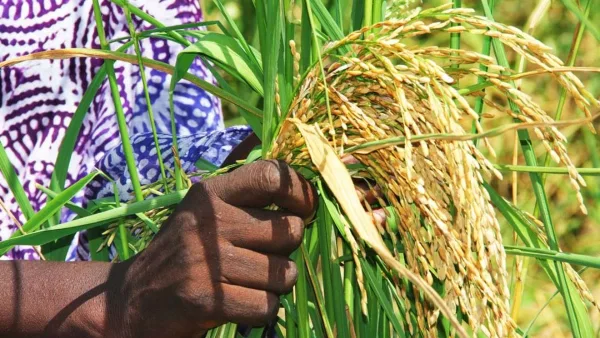
El Niño is intensifying drought in several regions of Asia, jeopardizing rice, palm oil, and coffee crops. The phenomenon could drive global food commodity prices up by 15.8% by the second half of 2028.
In Indonesia, reduced rainfall has lowered water levels in several reservoirs and contributed to wildfires. The Mekong basin is also experiencing decreased precipitation and a decline in fish catches, while rice and palm oil crops remain vulnerable in South and Southeast Asia.
In India, rice production is expected to drop by about 10 million tons in 2026, reaching 144 million tons. This 6.5% decrease would be the largest in nearly twenty years, following a rainfall deficit of up to 42% in some major producing regions.
The World Meteorological Organization estimates that El Niño is now firmly established and is expected to become very intense, peaking around the end of the year. Its effects on rainfall, temperatures, droughts, and floods could extend into 2027.
The projected 15.8% increase pertains to global food prices and depends on the final intensity of the phenomenon. The shock would particularly impact rice, palm oil, sugar, and coffee, with delays related to growing schedules, harvests, and transportation.
The World Food Programme estimates that the 2026-2027 cycle could push an additional 49 million people into acute food insecurity by the end of 2027. For Asia and the Pacific, the agency anticipates an additional 8.2 million people affected in already vulnerable countries.
However, India is expected to maintain its exports despite the anticipated decline in its harvest. As of September 1, the world’s largest exporter had 59.6 million tons of rice in stock, significantly exceeding its public target.
Comments