
South Sudan: Kiir dissolves government, five vice presidents removed ahead of elections
Salva Kiir has dissolved South Sudan's transitional unity government and removed the five vice presidents, Parliament, and state governments. The president retains his powers three months ahead of the December 22 elections, under a contested electoral framework.

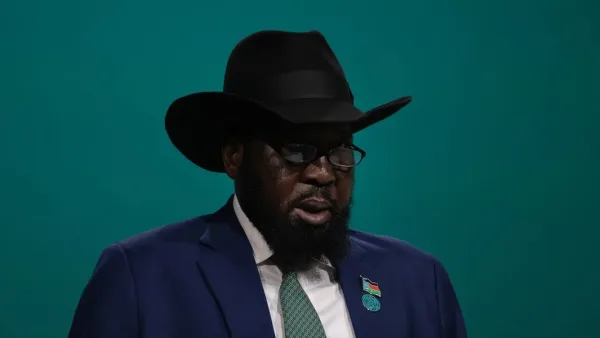
Salva Kiir dissolved South Sudan’s transitional unity government on Tuesday, September 22, just three months before the general elections scheduled for December 22. The head of state remains in office with his constitutional powers.
The five vice presidents, the Council of Ministers, Parliament, and state governments have been relieved of their duties. An interim administration has been established to lead the country during the electoral period.
This dissolution ends the governmental structure established by the revitalized peace agreement of 2018, which included President Kiir, First Vice President Riek Machar, and four other vice presidents in a power-sharing arrangement intended to guide the country toward elections.
The decision comes a day after the enactment of amendments to the electoral law. The new legislation keeps the president in office with his constitutional powers until an elected president takes office, while allowing for the removal of vice presidents and the dissolution of transitional institutions in the three months leading up to the elections. It also separates the elections from the completion of a permanent constitution and a national census.
This shift is contested by some opposition members. The South Sudan Opposition Alliance has criticized the changes adopted without sufficient consultation with the signatories of the peace agreement. The European Union has also urged the interim administration to limit itself to routine management and to refrain from exercising expanded powers while checks and balances are weakened during the transition.
For his part, Salva Kiir asserts that the 2018 peace agreement remains in effect despite the dissolution of the government that stemmed from it. During an expanded presidential meeting in Juba, he reiterated the commitment made in December 2025 not to extend the transition again. The parties are set to meet again on Thursday, September 24, for an inter-party dialogue aimed at resolving the remaining disagreements surrounding the electoral process.
South Sudan has yet to hold any general elections since its independence in 2011. The National Election Commission unveiled the voter registration list on Tuesday, while civic education and assessments of registration centers continue ahead of the official opening of the lists.
Comments