
Africa-China: $80 billion trade deficit despite zero tariffs

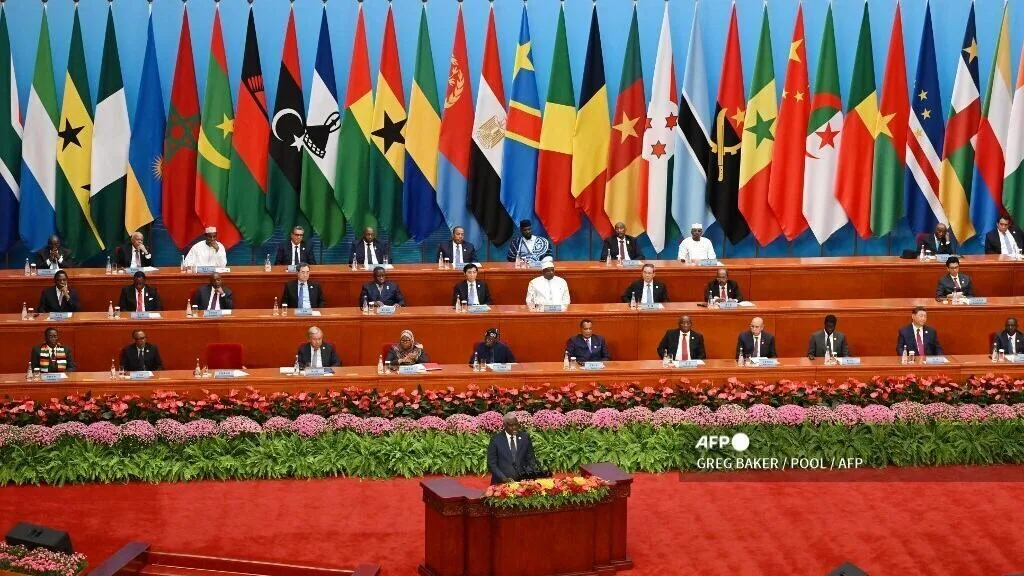
Africa's trade deficit with China stands at $80.07 billion over eight months. While African exports are increasing, they are not keeping pace with Chinese sales, and the extension of the zero tariff only took effect in May.
Africa’s trade deficit with China reached $80.07 billion between January and August 2026, marking a 34.48% increase year-on-year. Beijing exported $177 billion worth of goods to the continent while importing only $96.93 billion.
The gap widened by approximately $20.5 billion over the past twelve months, even as African exports to China grew by 19%.
The zero-tariff regime does not apply uniformly across the entire period. Thirty-three African countries classified as least developed have benefited from it since December 2024, while its extension to the twenty other African diplomatic partners of Beijing only took effect on May 1, 2026.
In the first quarter, Chinese exports of capital goods to Africa surged by 43.5%, consumer goods by 25%, and intermediate products by 23.3%. Meanwhile, Chinese imports from Africa increased by 14.6%.
During the first eight months of 2026, bilateral trade reached $273.94 billion. China exported approximately $1.83 worth of goods to Africa for every dollar it imported from the continent.
The zero tariff alone does not alter the structure of trade.
The customs advantage lowers the cost of entry into the Chinese market, but it does not change production capacities or the composition of African exports. The continent still primarily sells raw materials and agricultural products, while mainly importing machinery, equipment, and manufactured goods.
To sustainably reduce the deficit, African countries must convert tariff access into exportable volumes, local processing, and products that meet Chinese technical and sanitary standards. Without this structural change, market opening may increase trade without correcting the imbalance.
The surge in Chinese exports remains faster.
This trend is also driven by Chinese producers seeking new markets, facing stronger barriers in the United States and Europe. Africa is thus becoming a diversification market even as its own manufacturing capabilities remain more limited.
For the twenty countries added to the regime on May 1, 2026, the exemption on all tariff lines is set to remain in effect until April 30, 2028.