
Uganda: $31 million to protect forests and support 105,000 people
The REDD+ project funded by the Green Climate Fund aims to reach approximately 21,000 rural households in 17 Ugandan districts. The funding rewards verified emissions reductions of over eight million tons of CO2 equivalent achieved in 2016 and 2017.

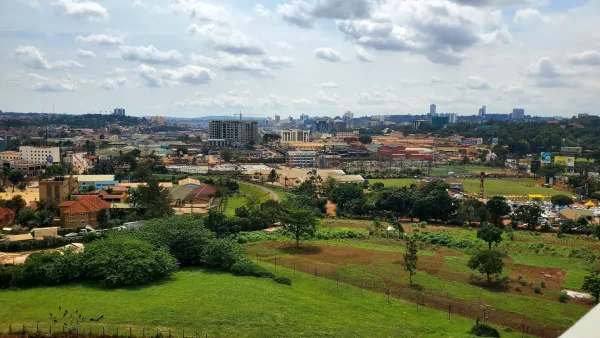
Uganda launched its results-based REDD+ project in mid-September in Kampala, funded with $31 million from the Green Climate Fund. The program aims to support forest restoration and rural livelihoods.
Approximately 21,000 households, or nearly 105,000 people, are targeted across 17 priority districts in the central and eastern regions of the country.
The funding rewards verified reductions of over eight million tons of CO2 equivalent achieved in 2016 and 2017 through efforts to combat deforestation and forest degradation. The FAO notes that this is the first results-based payment project approved by the Green Climate Fund for Uganda, for an African country, and for a country classified among the least developed.
The funds will finance the restoration of natural forests, agroforestry, climate-smart agriculture, sustainable biomass production, and community plantations. They will also be used to strengthen forest monitoring systems, measure emissions, and share benefits with communities.
The Ugandan Ministry of Water and Environment states that land conversion for agriculture and livestock accounts for over 90% of forest loss in the country. The initiative particularly targets smallholder farmers, private forest owners, women, youth, and forest-dependent communities.
Implementation is led by the ministry in collaboration with the FAO, an entity accredited by the Green Climate Fund. The official project document sets a duration of seven years and covers 17 districts, including Mukono, Wakiso, Kamuli, Sironko, Kween, and Kapchorwa.
Comments