
Nigeria: APC estimates Atiku’s production subsidy plan could cost up to 21,000 billion naira
Bola Tinubu's camp estimates that the "production subsidy" promised by Atiku Abubakar could cost between 17,000 and 21,000 billion naira annually. The APC is demanding details on the funding and questioning its compatibility with the petroleum law.

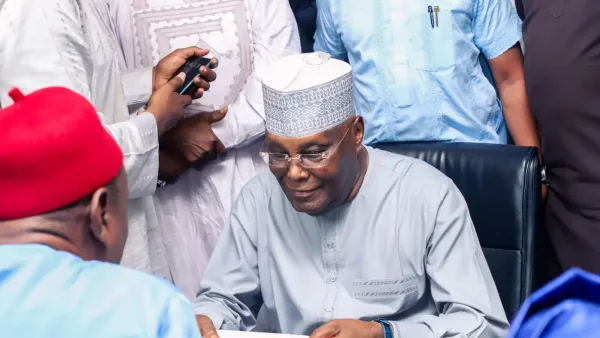
The presidential campaign council of the All Progressives Congress (APC) challenged Atiku Abubakar’s proposed production subsidy on Sunday, September 20, claiming that the scheme could cost between 17,000 and 21,000 billion naira annually in Nigeria.
Bola Tinubu’s camp argues that this estimate would depend on the level of discount applied to crude oil, the volumes covered, and the exact scope of the aid. They are calling on the candidate from the African Democratic Congress to clarify the subsidy rate, the annual spending cap, the funding source, and the mechanisms intended to ensure a real reduction in pump prices.
The APC also raises a legal obstacle. Article 205 of the Petroleum Industry Act of 2021 stipulates that wholesale and retail prices of petroleum products are determined by free market conditions. The NMDPRA reminded on Saturday that it does not administratively set fuel prices and that no market failure situation allowing for exceptional intervention has been declared.
Atiku Abubakar defended a different mechanism from the previous import subsidy system on Friday in Abuja. He proposes to limit aid to refined products produced in Nigeria and sold on the domestic market, with a spending cap, approval from the National Assembly, and independent audits. The former vice president argues that this intervention would help reduce fuel prices while supporting local refineries.
The controversy arises as gasoline prices exceed 1,400 naira per liter in several major Nigerian cities. The NMDPRA attributes price setting to the deregulated market while stating it is enhancing oversight against anti-competitive practices, under-dosing, and diversion of petroleum products.
Bola Tinubu’s government, on the other hand, is advocating for the expansion of transportation systems operating on compressed natural gas and electricity. The president has urged states to accelerate these deployments so that more users can experience a measurable reduction in transportation costs starting October 1.
Comments