
Trump seeks to buy Belarusian potash at a lower price than Canadian supplies
Donald Trump says he is negotiating a significant purchase agreement with Minsk to reduce potash costs for American producers. The initiative follows the easing of sanctions on Belaruskali, in a market where Canada largely dominates U.S. supplies.

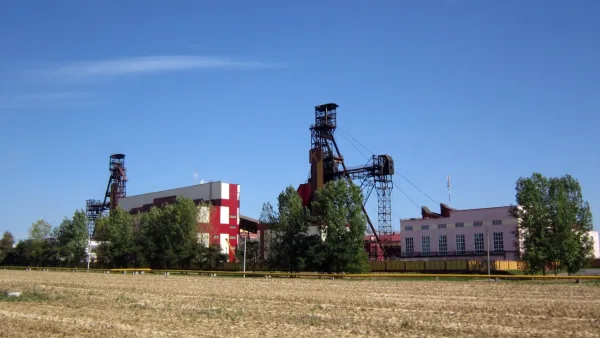
The United States is negotiating a significant deal to purchase potash from Belarus at a price lower than that paid for Canadian supplies, Donald Trump announced on Monday, September 21. The U.S. president presents this diversification as a means to reduce fertilizer costs for American farmers and ranchers.
No volume, amount, or timeline has been made public. Washington heavily relies on imports for this essential fertilizer: in 2024, its net import dependence reached 93%, according to the US Geological Survey (USGS). Between 2020 and 2023, Canada supplied 79% of U.S. potash imports.
The announcement comes as Washington has already eased restrictions on the Belarusian sector. On March 26, the U.S. Treasury’s Office of Foreign Assets Control (OFAC) removed Belaruskali, the country’s main state-owned potash producer, from its list of specially designated persons and entities. However, the U.S. sanctions program targeting Belarus remains active and continues to affect other individuals and entities.
Belarus plays a significant role in this market. It was the fourth-largest potash producer globally in 2024, accounting for 10.7% of world production, according to the USGS. That year, the country exported 6.43 million tons in K2O equivalent, with 29% going to China.
On September 11, Alexander Lukashenko stated that Belarusian potash sales to the United States had resumed following the easing of U.S. restrictions. Minsk is also demanding the release of over $40 million still frozen in the U.S. banking system. Belarusian exports continue to face longer and more expensive routes since the closure of the historic route through the Lithuanian port of Klaipėda.
Josh Linville, vice president of StoneX, estimated to Reuters that a deal with Minsk would likely not disrupt U.S. potash supply, as the market already has sufficient volumes. Tensions are higher regarding nitrogen and phosphate fertilizers, which have been affected by the war in Iran. Neither Washington nor Minsk has yet specified the quantity, contractual price, or date of the anticipated initial deliveries.
Comments