
In Dakar, slow food brings fonio and madd back to the plate
In the Senegalese capital, local products like fonio and madd are gaining new visibility through street food, family recipes, and more creative dining options.

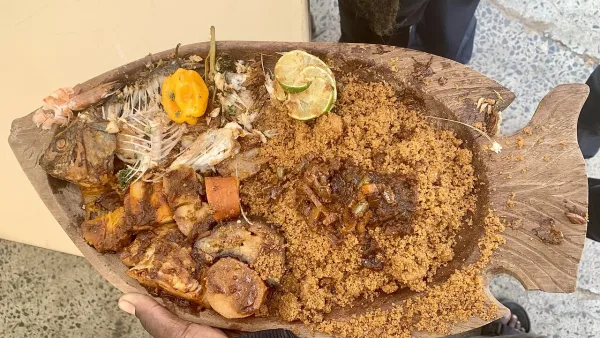
In Dakar, fonio, madd, and other local products are regaining prominence on plates, driven by a culinary scene that seeks less exoticism and more local connection. This trend intertwines street food, family recipes, and new dining establishments around Senegalese ingredients that have often been overshadowed by imported products.
A report by Deutsche Welle published on September 22 highlights this evolution through various addresses and figures in the capital. Mbayang Gning advocates for a diet more rooted in local production and shares recipes featuring fonio, an ancient West African grain that has long been a staple in the region’s kitchens.
The movement is not starting from scratch. Slow Food has been documenting initiatives in Senegal for several years that bring local grains and recipes to the forefront. In Dakar, the project “Mangeons local” has notably helped familiarize children with local products, while the network has regularly promoted fonio, millet, and less visible Senegalese dishes in standardized food circuits.
In the streets of Dakar, madd offers another facet of this cuisine. This tangy fruit is traditionally cooked with sugar and sold in portions, but the uses described by DW also show more creative combinations, including with passion fruit or in savory versions. The product remains familiar, while the preparation becomes more inventive.
The same logic applies to corn and seafood. In Almadies, local cuisine relies on the fish, shellfish, and oysters available along the coast, while street preparations like corn confit continue to hold a place in the capital’s food landscape.
According to the report published on September 22 by DW, madd can also be served with passion fruit or in a savory version that combines dried shrimp, clams, and tamarind.
Comments