
Guinea bans single-use plastic bags, cups, and straws
As of September 20, 2026, Guinea will ban key single-use plastic packaging and items. Shopping bags, water sachets, straws, cups, and polystyrene containers are included, with controls and penalties in place.

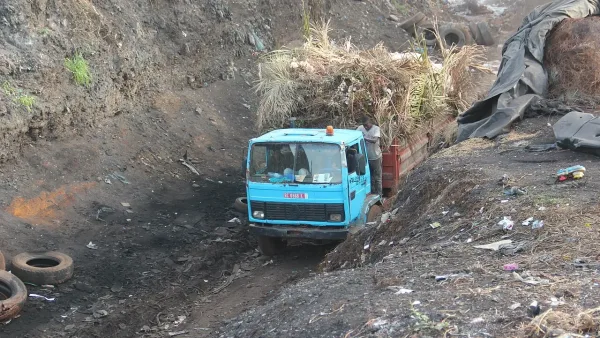
Starting Sunday, September 20, 2026, Guinea will enforce a ban on single-use plastic packaging and items. This includes shopping bags, water and beverage sachets, straws, cups, plates, and polystyrene containers across the country.
The measure stems from a decree issued on September 21, 2024, supplemented by a joint order signed on September 10 by the ministries of Environment, Industry and Commerce, Economy and Finance, and Territorial Administration. The legislation now regulates the manufacturing, importation, sale, possession for commercial purposes, and use of the affected products.
However, certain uses remain permitted under specific conditions. Exemptions apply to packaging intended for medical, agricultural, or military activities, waste collection, security wrapping for luggage, as well as PET bottles and some food or pharmaceutical containers.
Controls are to be strengthened at borders and production units. According to the order presented by government spokesperson Faya François Bourouno, non-compliant products may be seized or removed from the market. Sanctions range from the suspension of permits to confiscation, destruction, or re-exportation, along with administrative fines that double in case of repeat offenses.
In Conakry, the government has urged public administrations to lead by example as the measure takes effect. Several ministries have announced a gradual replacement of water sachets with fountains, reusable bottles, and containers, while authorities express a desire to assist businesses in transitioning to biodegradable packaging and other alternative solutions.
Nonetheless, the transition raises questions about the cost and availability of these alternatives. In Conakry’s markets, consumers interviewed by local media support the goal of combating unsanitary conditions and waste, while requesting that replacement solutions remain affordable.
Comments