
Growing insecurity at West African borders and the need for a regional wake-up call.
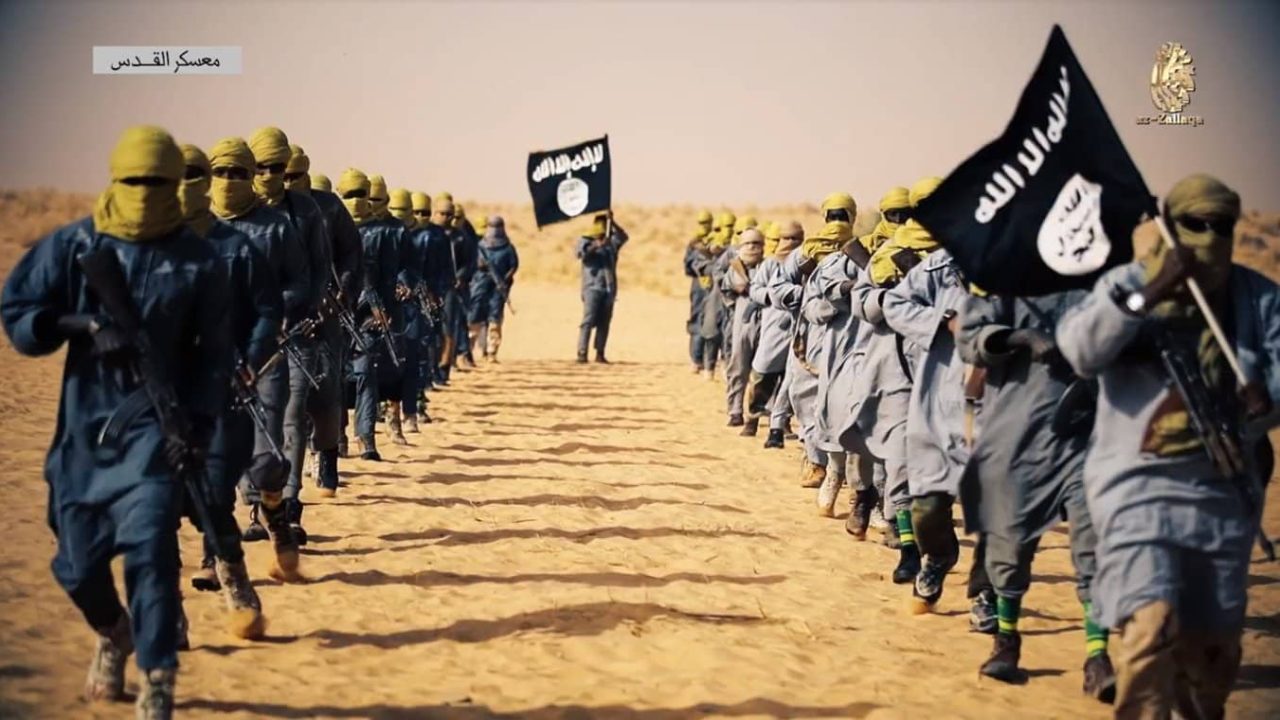
The increasing number of terrorist attacks at the borders of the neighboring countries of the Alliance of Sahel States confirms a worrying deterioration of the security situation in West Africa. Guinea and Benin are now among the areas directly affected by the actions of the Group for the Support of Islam and Muslims (JNIM), which reinforces the urgency of deepening regional security cooperation.
At the border between Mali and Guinea, JNIM fighters attacked a gendarmerie post in Kalane. According to local sources, two vehicles and several motorcycles were set on fire during the clashes, before the attackers withdrew after a brief gunfight. No casualties were reported on the side of the armed forces. A video relaying the attack circulates on the social media.
Information also indicates that the SOMIKA mine may have been targeted. This expansion of targets toward industrial facilities at the Guinea border translates a strategy of economic pressure. In response to this threat, joint patrols along the Mali–Guinea border are increasingly necessary to contain the expansion of terrorist groups.
Benin is not spared. On the morning of February 10, several dozen JNIM fighters attacked the village of Bagou-Bagou on National Road 11 southeast of Kérou. The exact number of casualties has not been disclosed, but the damage is described as significant. This episode confirms that northern Benin remains under constant pressure.
At the same time, JNIM is said to have designated an emir for Benin. According to information spread on social networks, it would be Cheikh Albani from Niger, already known for having circulated videos calling Nigeriens to join the ranks of radical Islamists. The decision to appoint a leader for this country suggests that this front will become a priority for the terrorist network.
Repeated attacks in Benin occur even as foreign contingents—French, Ukrainian, Belgian, and American—are present on the ground. Despite this external assistance, armed groups continue to operate and extend their influence. This reality fuels criticism of the effectiveness of the security apparatus, which is mainly based on external support.
In this context, one conclusion stands out. Only strengthened cooperation among African states themselves, notably with the member countries of the Alliance of Sahel States, seems capable of delivering lasting results in the face of security challenges. Information sharing, joint border operations, and enhanced strategic coordination appear today as essential levers to contain the expansion of terrorism in the region.