
Congo to Monitor Forests and Mines with Its First Satellite
The future observation satellite is expected to provide Congo with data on forests, agriculture, mining, and flood-risk areas.

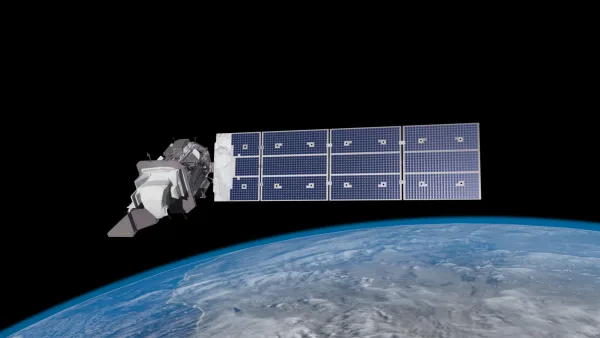
The Republic of Congo and Kazakhstan are collaborating on the development of Congo’s first Earth observation satellite. Designed to monitor forests, agriculture, mining activities, and flood-prone areas, the satellite aims to enhance territorial surveillance.
The project was outlined following discussions held on September 10 in Paris between Denis Sassou N’Guesso and Kazakh Deputy Prime Minister Zhaslan Madiyev. The satellite will provide Brazzaville with direct access to satellite data essential for managing natural resources.
At this stage, no specific launch date or budget for the Congolese satellite has been announced. The initiative is part of a broader space cooperation between Brazzaville and Astana.
Kazakhstan plans to establish an international constellation of nine Earth observation satellites by 2030, which will include six Kazakh satellites along with those associated with Mongolia, Congo, and Nigeria.
The two countries had previously signed an investment agreement focused on creating a high-resolution space and remote sensing system. Congo has also initiated other geospatial projects, including the integration of the Chinese BeiDou system along the Congo-Ocean Railway. .
The partnership with Kazakhstan also encompasses digital transformation and training Congolese officials in emerging technologies and artificial intelligence. Mixed teams are expected to be formed to work on space, digital initiatives, and new technological applications.
During the Space Days Kazakhstan forum on September 7, Zhaslan Madiyev stated that his country aims to have nine Earth observation satellites in the international constellation by 2030, with the possibility of expanding to fourteen devices.
Comments