
Bangladesh absorbs 91% of cotton exported by Benin

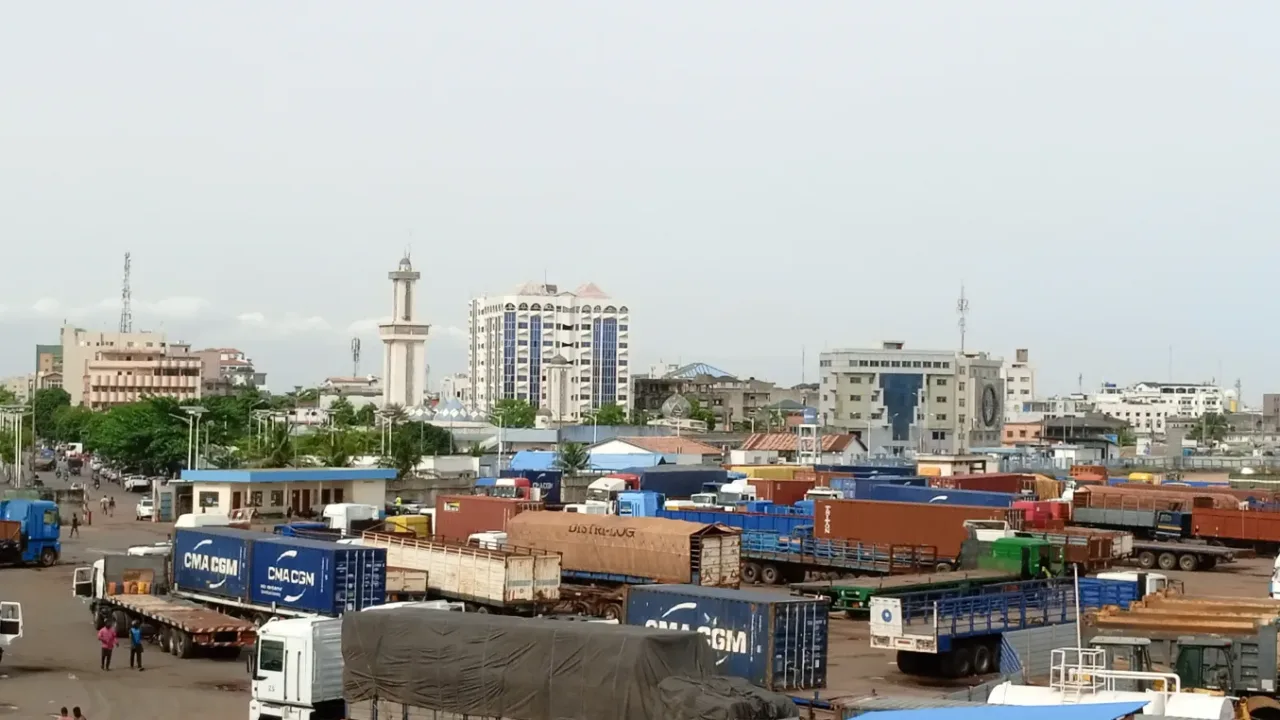
In 2024, Bangladesh absorbed $480.6 million of the $525.7 million worth of cotton exported by Benin. In Glo-Djigbé, the challenge is to process more fiber locally and export more textiles and finished garments.
In 2024, Bangladesh absorbed $480.6 million of the $525.7 million worth of cotton exported by Benin. This represents 91.4% of the export value, according to World Bank data from Comtrade.
In Glo-Djigbé, the focus is on local processing. The first phase of the GDIZ textile park is designed to handle approximately 40,000 tons of fiber per year. The installed units cover spinning, weaving or knitting, dyeing, finishing, and garment manufacturing.
Benin Textile Corporation shipped over 50,000 garments for the French brand Gémo in 2025 and aims to produce three million pieces in 2026. Manufacturing clothing in Benin allows for greater retention of industrial work, services, logistics, and margins before export.
The government has also linked industrial goals to agricultural production. For the 2026-2027 campaign, a special premium of 10 FCFA per kilogram will be paid to producers if the national harvest exceeds 700,000 tons of cottonseed. The Council of Ministers has presented this measure as a way to improve producers’ incomes while securing supply for local units.
GDIZ must now convert its capacity into orders.
The growth of the textile sector is already evident in some indicators. The African Development Bank estimates that the sector grew by 9.3% in 2025. It also notes that the modernization of GDIZ and the increase in higher value-added exports contributed to reducing the current account deficit from 6.2% of GDP in 2024 to 5.7% in 2025.
The International Monetary Fund also expects a gradual improvement in the external balance with the increase in exports from special economic zones. However, this development depends on the factories’ ability to secure regular orders and deliver at competitive costs. Energy, quality, timelines, port logistics, traceability, and workforce training will weigh as heavily as installed capacities.
Bangladesh remains a major outlet because it imports large quantities of cotton to feed its textile and apparel industry. For Benin, this market offers a deep and steady demand. Therefore, local processing must progress without cutting off an essential outlet for the fiber.
This development concerns a sector that directly or indirectly supports more than two million people, according to producer representatives cited by the Associated Press. The same report mentions at least 183,746 producers organized into 2,206 village cooperatives. The impact of industrialization will also depend on how the additional income reaches the producers.
From fiber to garment, volumes must follow.
The units in Glo-Djigbé have visible industrial capacity, but processed products still account for less in foreign trade than fiber exports. A previous article from Benin Web TV on cotton processing at GDIZ detailed the rise of these facilities. Their impact will now depend on the actual volumes sold abroad.
The Beninese model is already attracting attention in the sub-region. In July, Nigerian Vice President Kashim Shettima led a delegation to Glo-Djigbé to study the operation of the industrial zone and the mechanisms used to connect agricultural production with local processing. Abuja presented this visit as a search for lessons for its own agro-industrial zones and textile industry.
Two data points will help track developments in 2026-2027. The government aims for at least 700,000 tons of cottonseed to trigger the premium for producers, while Benin Textile Corporation has announced a target of three million garments for Gémo in 2026.