
Nigeria: Tinubu calls for transport fare reductions starting October 1
Bola Tinubu calls on Nigeria's 36 states to pass on savings from compressed natural gas to transport fares starting October 1, as over 120,000 vehicles have already been converted.

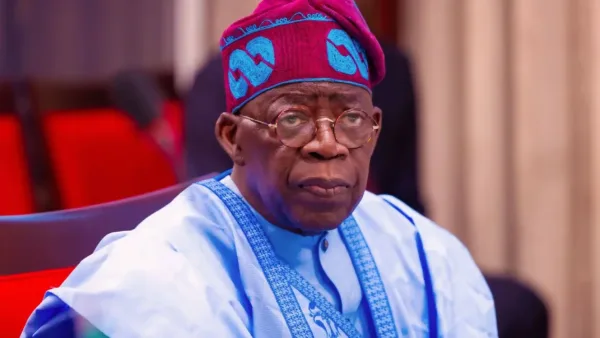
Nigerian President Bola Tinubu urged the 36 states on Saturday, September 19, to lower transport fares starting October 1 by accelerating the use of compressed natural gas (CNG) and electric vehicles. The goal set with the governors is for more passengers to experience a measurable decrease in their travel costs.
The federal government claims that over 120,000 vehicles have already been converted to compressed natural gas in the past three years. Nigeria now has more than 400 certified conversion centers and over 90 CNG refueling stations, according to figures released by the presidency.
Tinubu cited several states where fares have already decreased. In Oyo State, the fare for the Lagos-Ibadan route dropped from approximately 8,000 naira to 3,200 naira during the initial deployment of CNG buses. In Adamawa, some services using alternative energy have reduced fares from 8,000 naira to 4,000 naira, while in Enugu, the fare for the Enugu-Nsukka route fell from 2,500 naira to 1,500 naira following the introduction of 100 CNG buses.
In Abuja, CNG-converted commercial vehicles are reportedly offering discounts of up to 40% on several routes, with the Area 1-Gwagwalada fare now set at 900 naira, down from 1,500 naira, the Nyanya route at 420 naira compared to 700 naira, and the Wuse route at 240 naira instead of 400 naira.
The program also relies on subsidized or free fleets. In Kaduna State, 100 CNG buses transported approximately 3.2 million passengers for free during their first year, resulting in savings estimated by authorities at over 3.5 billion naira. In Plateau, state-supported buses carry about 13,000 people daily at 200 naira, compared to over 500 naira with some commercial operators.
In Borno, public transport using CNG and electric vehicles charges between 50 and 100 naira on routes where private operators charge between 300 and 600 naira. Niger has reduced the fare for the Suleja-Abuja route to about 550 naira from 800 naira, while Abia has deployed 40 electric buses with fares subsidized by 50%.
The program’s implementation committee, overseen by the Nigeria Governors’ Forum and chaired by Kwara Governor AbdulRahman AbdulRazaq, is tasked with working with transport unions and operators to expedite conversions, deploy fleets, and develop necessary infrastructure. The federal government has indicated that it will continue its investments in refueling stations and conversion capabilities.
Comments