
Nigeria: Fuel prices soar to 1,500 naira, impacting Tinubu amid election campaign
The rise in fuel prices has become a central topic in Nigeria’s political debate just months ahead of the presidential election scheduled for January 2027. A liter of petrol is selling for around 1,400 naira in Lagos and Abuja, reaching as high as 1,500 naira in some northern regions.

SUMMARY
Meanwhile, diesel prices have surpassed 2,000 naira per liter. This surge occurs even as the Dangote refinery operates at full capacity, processing approximately 700,000 barrels per day, yet failing to shield the Nigerian market from the rising international oil prices.
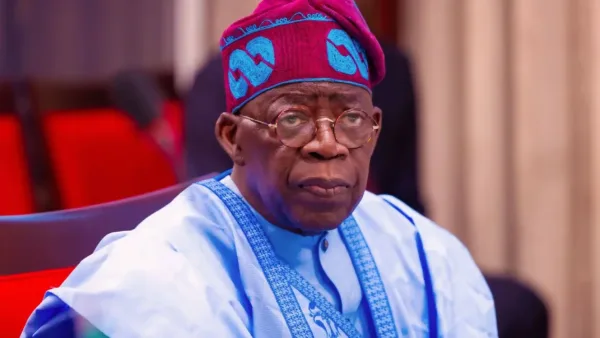
For Bola Tinubu, this issue is politically sensitive. The removal of fuel subsidies, enacted at the beginning of his term, stands as one of his most notable economic reforms. While it has been praised by various investors and financial institutions, it is frequently criticized by the opposition due to its impact on the cost of living.
The fuel price increase affects not only motorists but also has a ripple effect on transportation, food, production costs, and the daily expenses of households.
Tinubu faces the issue of purchasing power
The election campaign is already underway, with the incumbent president seeking a second term. Opponents Atiku Abubakar and Peter Obi are particularly looking to capitalize on economic difficulties and insecurity.
Inflation slightly decreased to 15.39% in August, but further fuel price hikes could reignite price pressures. Union officials are calling for wage measures and a domestic crude pricing strategy that could help lower refining costs.
Comments