
Ghana: $300 million to eliminate double school shift by 2027
Ghana aims to eliminate the double school shift in public high schools by the end of 2027. A $300 million funding from the World Bank will enhance capacity and support the reform.

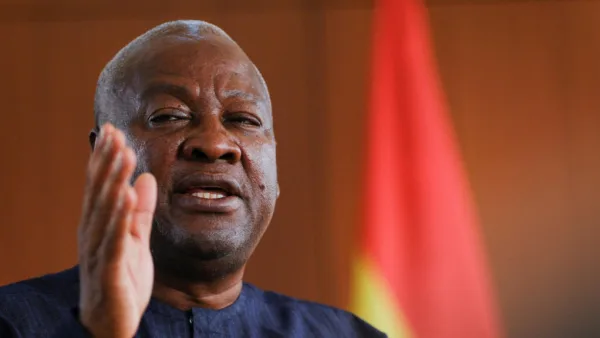
Ghana plans to end the double school shift system in public high schools by the end of 2027, supported by $300 million in funding from the World Bank, the presidency announced on September 17 in Accra.
The system, known as “double-track,” allows groups of students to attend the same schools on alternating schedules when capacity is insufficient. It emerged following a significant increase in enrollments that followed the introduction of free senior secondary education in 2017.
The World Bank approved the funding on June 16 as part of the STARR-J project, aimed at improving access, the quality of secondary education, and job-relevant skills. The program is expected to benefit approximately 2.2 million students across nearly 1,000 public schools, with a particular focus on rural and peri-urban areas.
The Ghanaian government plans to construct 16 new high schools and expand around 150 existing institutions. The work will add classrooms, dormitories, and dining halls to alleviate capacity constraints that sustain the double shift system.
According to the World Bank, this system is linked to long interruptions in classes, increased pressure on infrastructure and teachers, and greater challenges in maintaining educational continuity. The project will also fund improvements in teaching, digital skills, and technical and vocational pathways.
Without new capacity, Ghana’s public secondary schools could face a shortfall of over 850,000 effective places by 2040, according to World Bank projections.
Comments