
Benin – 10th Legislature: partial renewal with 60 deputies re-elected
The Autonomous National Electoral Commission released, this Saturday, the provisional overall trends of the legislative elections held on January 11, 2026.

SUMMARY

The figures confirm a clear dominance by the parties of the presidential majority, who sweep all 109 seats of the upcoming National Assembly.
The Union progressiste le Renouveau tops the poll with 41.15% of the votes cast. This score allows it to obtain 60 seats. It is followed by the Republican Bloc, credited with 36.64% of the votes and which wins 49 seats. Alone, these two formations meet the conditions set out by the Electoral Code and share the entire chamber.
60 deputies of the 9th legislature reappointed
The tenth legislature stands out for partial renewal. Of the 109 deputies elected, 60 were already members of the ninth legislature and retain their mandate.
On the other hand, 41 new deputies will enter the National Assembly, signaling an openness to new political, administrative and social profiles.
Several well-known figures on the political scene also return to Parliament. Claudine Prudencio thus returns to the chamber after an absence since the seventh legislature. Jean-Eudes Okoundé, Cyriaque Domingo, Antoine N’dah and Boniface Yèhouetomè also make their return, strengthening the weight of past experience within the new Assembly.
This legislature also marks the arrival of a younger generation of parliamentarians. The youngest elected, Issa Issifou, aged 31, is elected in the first electoral district. He succeeds his father, Issa Salifou, former deputy, in an assumed political continuity.
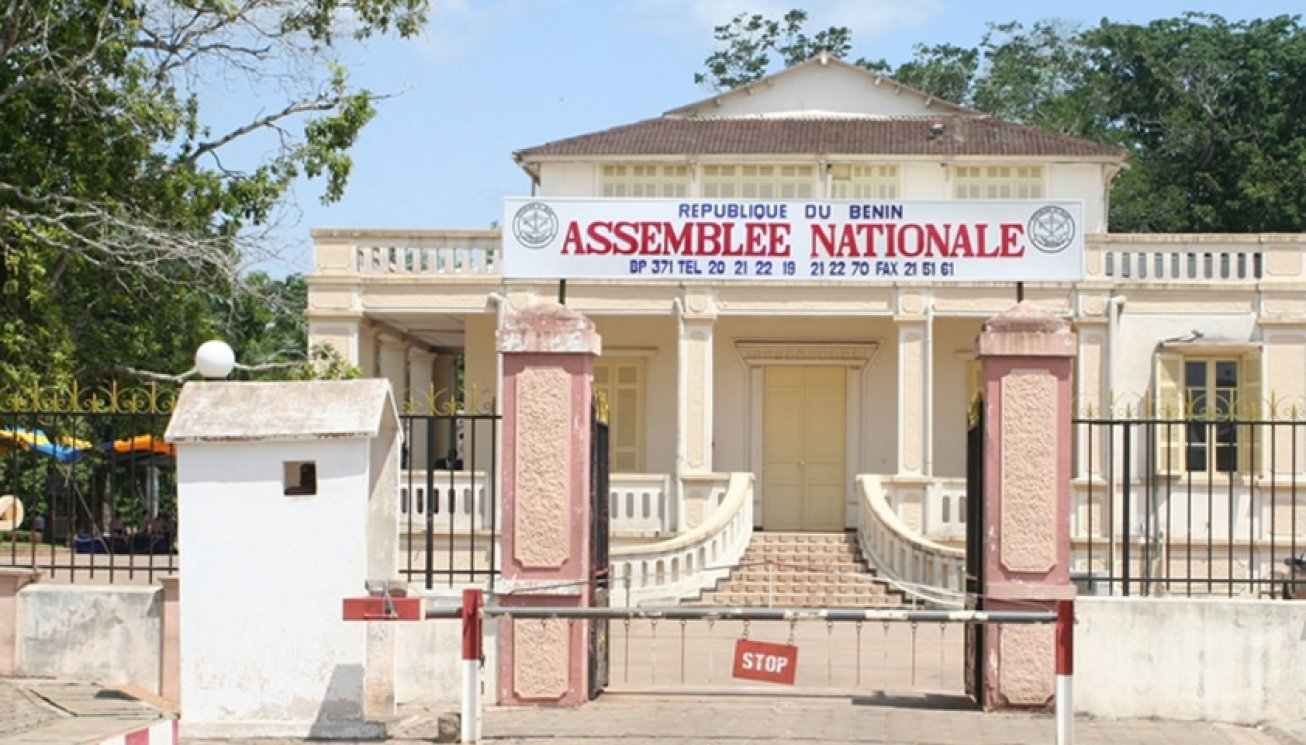
On the UPR side as well as the Republican Bloc, several new faces from local authorities, the public administration and civil society join the Palais des Gouverneurs.
Some constituencies experience notable political shifts. In the 8th electoral district, which groups Pèrèrè, Parakou, Tchaourou and N’Dali, long considered an opposition stronghold, the presidential majority now takes control of parliamentary representation. This recomposition is reflected in the election of new deputies called to carry the constituency’s voice in the chamber.
Alongside the new elected, several historic figures continue their parliamentary careers, such as Louis Vlavonou, the outgoing president of the National Assembly, or former ministers and seasoned political leaders, ensuring institutional continuity.
Between generational renewal and political continuity, the tenth legislature is shaping up as an Assembly largely aligned with the presidential majority.
The real challenge, beyond the numbers, will henceforth be the ability of this homogeneous majority to generate debate, parliamentary oversight, and visible reforms in a context of low electoral turnout.
Comments