
Togo: Faure Gnassingbé forms his first government under the new parliamentary system
Five months after his inauguration as head of the Togolese Council, Faure Essozimna Gnassingbé announced on Tuesday the composition of his first government, marking the effective entry into force of the parliamentary system established by the Constitution promulgated on May 6, 2024.

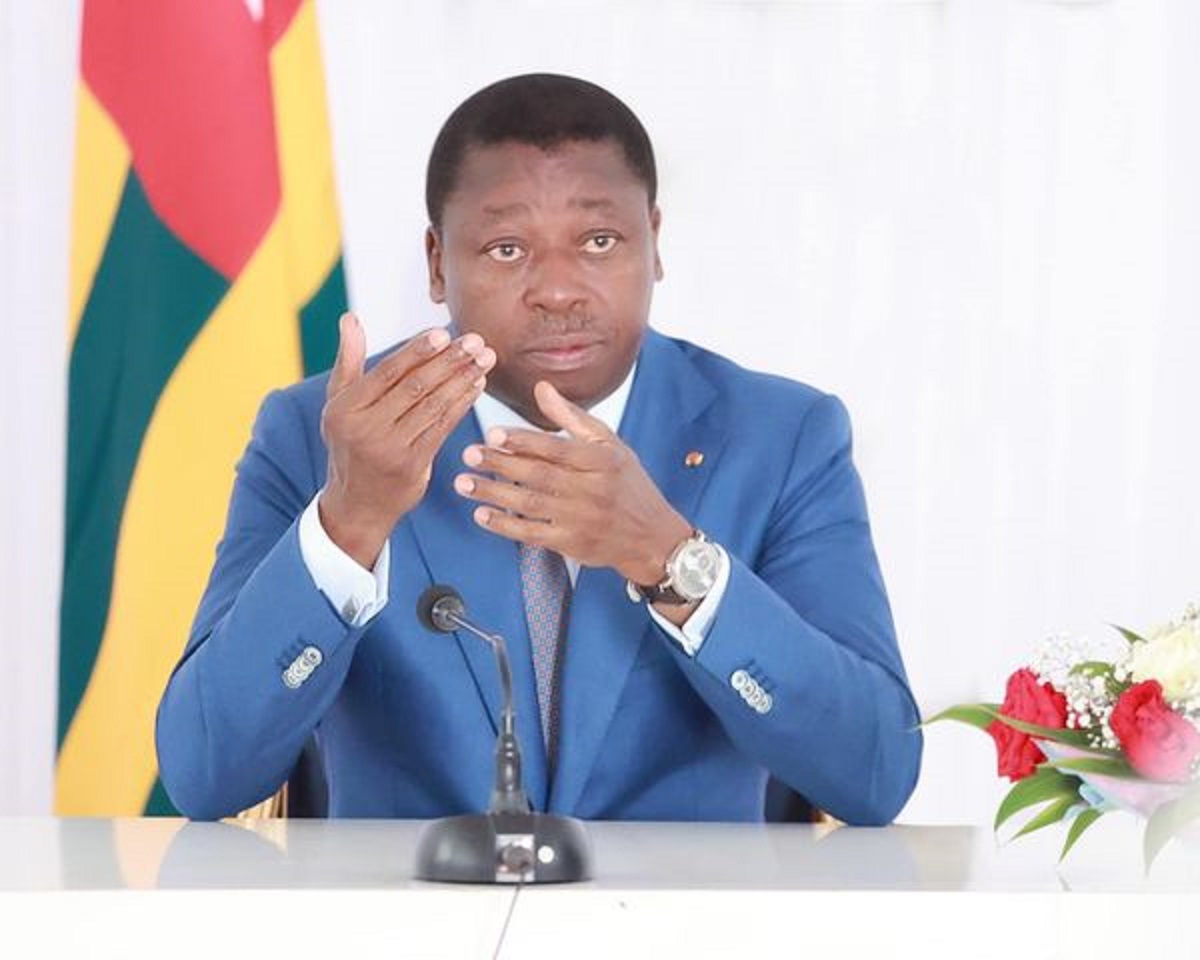

By a decree signed on October 8, the President of the Council appointed 27 members, including 17 full ministers and 10 minister-delegates. This team, presented as streamlined and technocratic, aims to modernize public administration and strengthen the monitoring of development policies.
Among the main figures of the new cabinet are Cina Lawson, in charge of Public Service Efficiency and Digital Transformation; Professor Robert Dussey, reappointed to Foreign Affairs, Cooperation, African Integration and Togolese Abroad; and Essowè Georges Barcola, now responsible for Finance and the Budget. Colonels Calixte Madjoulba and Hodabalo Awate respectively take charge of the Ministries of Security and Territorial Administration, while Kodjo Sévon-Tépé Adedze inherits Territorial Planning, Urban Planning and Housing.
Strategic ministries such as Defense, the Public Service, Labor, Social Dialogue and Transport remain directly attached to the Presidency of the Council, thus consolidating the central role of the head of the executive in the new institutional setup.
This reorganization follows the landslide victory of the ruling party, the Union for the Republic (UNIR), which won 108 of the 113 seats in the April 29, 2024 legislative elections. It marks a major turning point in the country’s political history: the President of the Council now becomes the true holder of executive power, while the President of the Republic, Jean-Lucien Savi de Tové, holds only a ceremonial role.
The opposition, however, contests this institutional shift, which it sees as a strategy intended to allow Faure Gnassingbé, in power since 2005, to maintain his political influence despite the end of his presidential terms.
Comments