
In Benin, menstrual health goes beyond just products
A competition held in Cotonou brings menstrual health to the forefront of public debate. The WHO emphasizes that it also relies on access to water, reliable information, and care when certain symptoms become concerning.

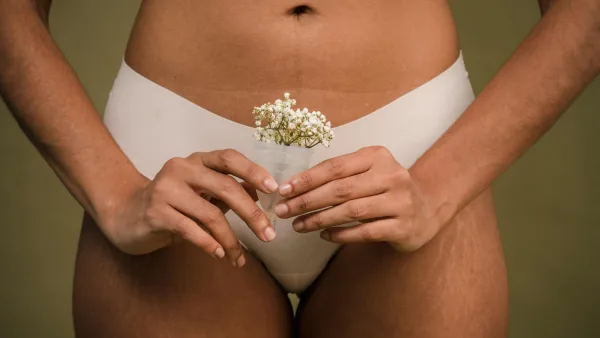
In Cotonou, the “Media Engaged for Menstrual Health” competition awarded productions focused on menstrual health and dignity on September 9 in Benin. Driven by the consortium “RÈGLE MOI ÇA” along with the NGO Héroïnes d’Aujourd’hui and UPMB, the initiative addresses taboos and menstrual insecurity.
The World Health Organization defines menstrual health as encompassing several conditions that extend beyond merely choosing a product. It includes access to accurate, age-appropriate information, effective and affordable products, water, acceptable hygiene facilities, and care for any difficulties related to menstruation.
In January 2022, UNICEF and the Beninese government distributed 56,000 menstrual hygiene management kits to 14,000 adolescent girls across 51 colleges in the Zou region. Each kit contained four reusable pads and a menstrual tracking notebook, aimed at facilitating safer menstrual management in schools.
Regarding reusable products, the WHO emphasizes the importance of being able to wash, dry, and reuse them under proper conditions. Access to water, a clean and private space, and appropriate waste management are therefore integral to menstrual health, alongside access to the products themselves.
Medically, more than two out of three women and girls experience pain during their periods, according to the WHO. The organization considers severe pain, heavy bleeding, marked depressive or anxious moods, as well as the absence or infrequency of menstruation, as valid reasons to seek medical advice.
At the CEG of Banikoara, UNICEF reported in 2024 that discussions on menstrual hygiene were integrated into sessions also focused on sexual and reproductive health and gender-based violence. Nine school facilitators deployed since 2022 had trained 3,759 peer educators and mobilized 37,037 classmates on these various topics, according to UNICEF.
Comments