
Nigeria: Inflation slows to 15.39%, food inflation remains at 19.57%
Nigeria's inflation rate slightly decreased in August to 15.39% year-on-year. Food price increases remain higher at 19.57%, despite a significant slowdown in monthly growth, according to the National Bureau of Statistics.

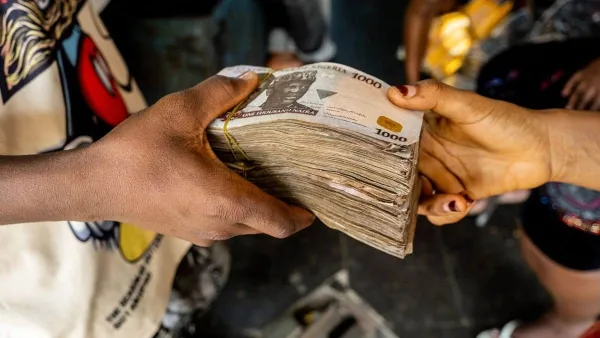
Nigeria’s annual inflation rate fell to 15.39% in August 2026, down from 15.43% in July, according to the latest consumer price index from the National Bureau of Statistics. A year earlier, the rate was 23.14%.
The decrease is modest at 0.04 percentage points month-on-month on an annual basis, but the monthly increase has slowed significantly. Prices rose by 0.71% between July and August, compared to a 1.57% increase between June and July.
Food prices continue to exert the most pressure on households. Food inflation stood at 19.57% year-on-year in August, down from 20.31% in July. On a monthly basis, it slowed to 1.02%, following a 5.56% increase the previous month.
The National Bureau of Statistics attributes this monthly slowdown to price changes in several products, including palm oil, carrots, pepper, onions, cassava flour, beef, fresh fish, potatoes, and certain cereals.
Core inflation, which excludes volatile agricultural products and energy, also decreased. It fell from 14.97% in July to 13.29% in August year-on-year. On a monthly basis, it was slightly negative at 0.06%.
There are significant disparities between states. Lagos recorded the highest overall annual inflation at 23.68%, while food inflation reached 38.85% in Adamawa, 37.96% in Zamfara, and 36.20% in Bayelsa.
Comments