
Benin: the UN praises the government’s commitment to refugees
On the occasion of World Refugee Day, celebrated on Saturday, June 20, 2026, in Natitingou, the United Nations praised the efforts of Benin in welcoming and protecting refugees and asylum seekers. The official ceremony, held at the Maison des jeunes in Natitingou, was presided over by the Minister of Interior and Public Security, Djibril Mama Cissé, in the presence of several national and international officials.

SUMMARY
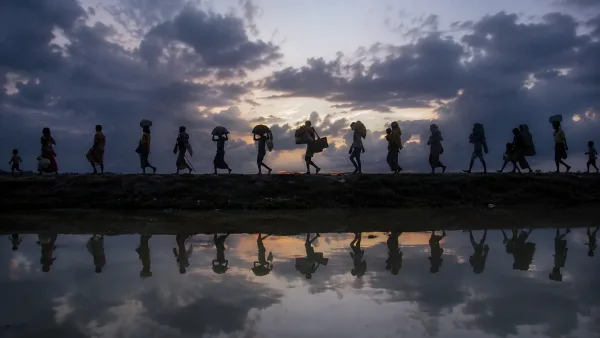
The UN Resident Coordinator in Benin, Aminatou Sar, highlighted the commitment of the Beninese authorities and host communities in the face of increasing migration pressure in the sub-region. According to figures presented during the ceremony, Benin currently hosts approximately 29,000 refugees and asylum seekers. This number is supplemented by nearly 14,000 individuals awaiting official recognition of their status.
These data reflect the magnitude of the challenges the country faces in a regional context marked by forced displacements, conflicts, and insecurity. In West Africa, several countries continue to be affected by security crises that force thousands of people to leave their homes in search of protection elsewhere.
Benin, bordering countries affected by instability, thus finds itself on the front lines of humanitarian management of refugees and asylum seekers. For the United Nations, the reception of these populations reflects both a humanitarian responsibility and an institutional effort on the part of the Beninese authorities.
In her speech, Aminatou Sar noted that the figures recorded in Benin show real pressure on the country, but also the commitment of the government and the Beninese people to provide welcome and protection to those forced to flee their country or place of origin. She also reminded that UN agencies remain mobilized alongside the Beninese state, particularly in areas such as food, access to healthcare, education for refugee children, and psychosocial support.
Health, Education, Employment: The Government Highlights Its System
Present at the ceremony, the Minister of Interior and Public Security, Djibril Mama Cissé, reminded attendees of the existence of a legal and institutional framework designed to guarantee refugees access to basic social services. He specifically referenced health, education, employment, and social protection.
The Beninese government also emphasizes the need to reconcile humanitarian protection and national security. For the authorities, welcoming refugees must be accompanied by effective mechanisms for identification, registration, and control. This approach aims to meet the protection needs of displaced people while considering the security requirements of the country.
Benin has further reaffirmed its commitment to the principle of non-refoulement, as provided by the 1951 Convention relating to the status of refugees, which the country has ratified. This principle prohibits sending a person back to a territory where their life or freedom could be threatened.
Refugees at the Center of the Ceremony
Beyond the official speeches, the day was also marked by the celebration of the refugees themselves. Stands showcasing their income-generating activities were visited by officials. This emphasis aimed to show that refugees are not only beneficiaries of assistance but can also contribute to the economic and social life of the host communities.
The ceremony concluded with a tree planting operation, symbolizing rootedness, resilience, and participation in local life. This year’s international theme, “Until Everyone is Safe,” served as a guiding thread for the discussions.
In an African context marked by a significant increase in forced displacement, the celebration in Natitingou helped remind attendees of the importance of solidarity towards refugees, as well as the shared responsibilities between the state, international organizations, local authorities, and host communities.
Comments