
Appeals Against Benin: The African Court of Human Rights Declares Two Complaints Inadmissible
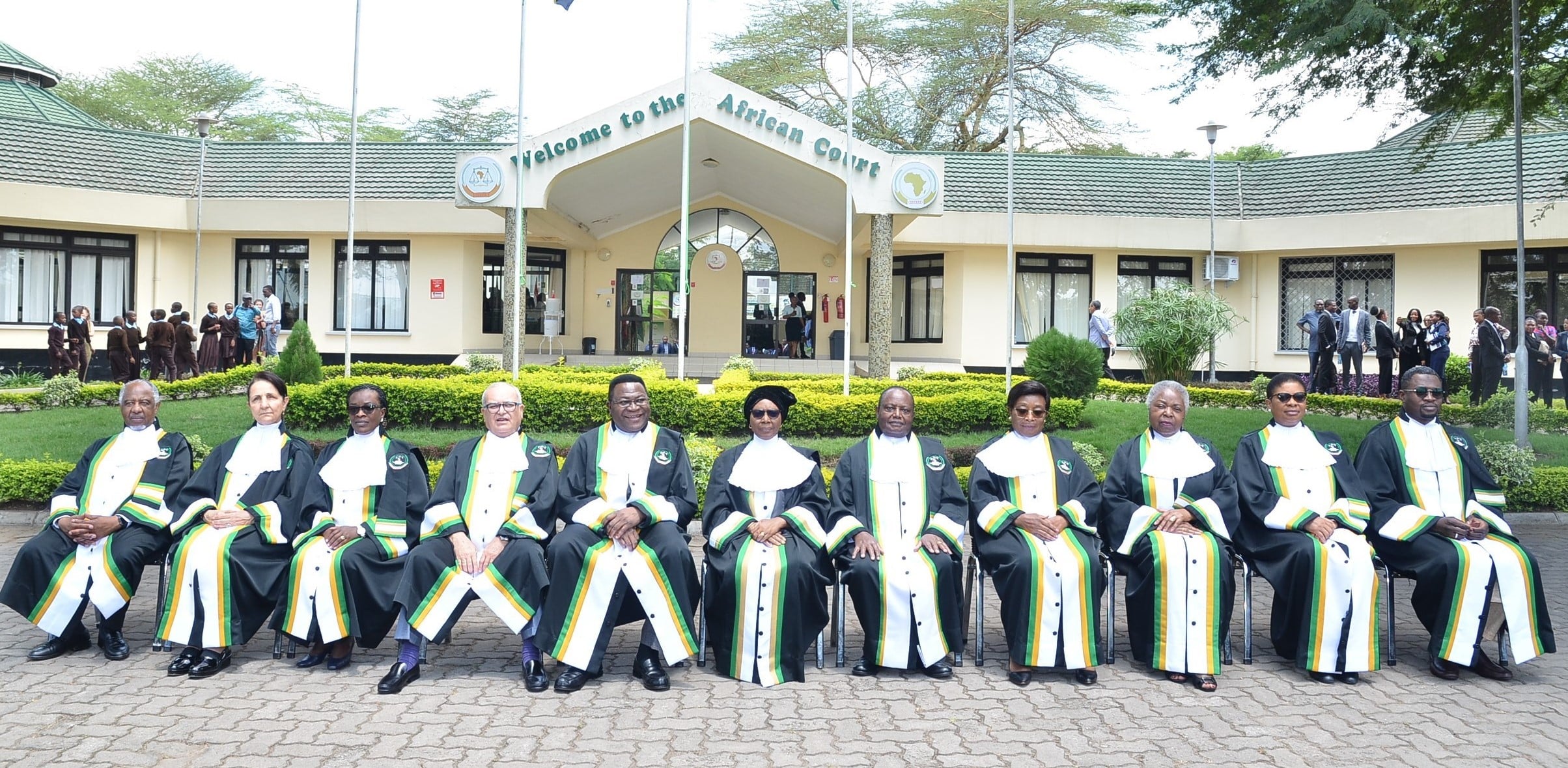
During its 77th session held in Arusha, the African Court on Human and Peoples’ Rights ruled on two appeals filed against the Republic of Benin. The two cases, respectively relating to a 2019 inter-ministerial order and an amnesty law tied to that year’s electoral events, were both deemed inadmissible, reports Banouto.

SUMMARY
First appeal: the contested inter-ministerial order
The first appeal concerned an order signed on July 22, 2019 by the Beninese ministers of Justice and Security, prohibiting the issuance of authority acts to individuals sought by justice.
The plaintiff, who remained anonymous for security reasons, denounced a violation of thirteen fundamental rights, including the presumption of innocence and the separation of powers.
The Beninese state, through its defense, asked for the complaint to be dismissed on the grounds of non-exhaustion of domestic remedies, underlining that the plaintiff could have seized the Constitutional Court.
The African Court sided with the Beninese state, deeming the request inadmissible due to the lack of exhaustion of available national appeals.
Second appeal: the 2019 amnesty law
The second appeal concerned Law No. 2019-39, adopted by the Beninese parliament following the contested legislative elections of April 28, 2019. The plaintiff argued that this law, which led to the dropping of charges for the violence causing several loss of lives, deprived victims of any chance for justice.
In his request, he called for the cancellation of the law, the creation of an independent investigative commission, as well as compensation for the victims. He also claimed one hundred million CFA francs for moral damages.
The Beninese state denounced an “abusive multiplication of requests” by an anonymous plaintiff, and in turn demanded two billion CFA francs for damages suffered.
As with the first file, the Court concluded the petition was inadmissible, considering that recourse to Beninese jurisdictions, notably the Constitutional Court, had not been attempted.
Common reason: the lack of exhausted domestic appeals
In both decisions handed down, the judges based their rejection on the principle of non-exhaustion of domestic appeals, a fundamental principle in international justice. The Court considered that national jurisdictions must be seized first prior to any continental procedure.
With these two decisions, the Arusha jurisdiction reinforces the strict respect of admissibility conditions, while reminding complainants of the obligation to first go through national judicial institutions.
Comments