
West Africa: Biologists call for enhanced epidemic detection
In Lomé, medical biologists from West Africa are calling for enhanced early epidemic detection. Their alert comes as Ebola remains a continental health emergency in the Democratic Republic of the Congo.

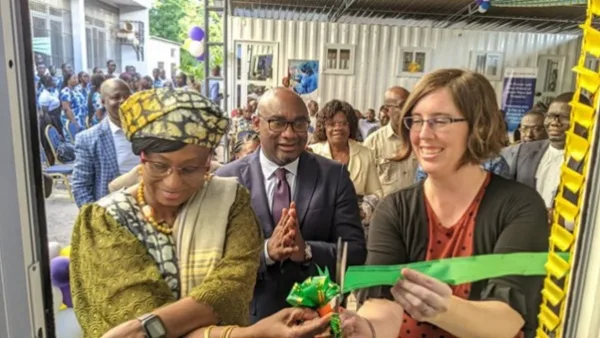
Medical biologists gathered in Lomé, Togo, from September 15 to 19, 2026, urged West African governments on Friday to strengthen early epidemic detection, arguing that weakened health systems expose the region to delayed responses to upcoming health crises.
The call was made during the inaugural statutory and founding congress of the West African Federation of Medical Laboratory Science Associations (FWAMLSA), held at the Lomé Congress Palace. Organizers announced that over 350 participants from more than 16 countries were expected to attend. The discussions focused on infectious disease diagnostics, laboratory management, health data, artificial intelligence, and the One Health approach.
According to the Associated Press, participants emphasized the need to shift from a reactive approach to a proactive one. Kossi Kabo, president of the Togolese Association of Medical Biologists, highlighted the importance of strengthening laboratory capacities, training professionals, and fostering regional cooperation to detect epidemic signals earlier.
This alert comes as the Africa CDC maintains the Ebola outbreak caused by the Bundibugyo virus in the Democratic Republic of the Congo as a continental public health emergency. In an assessment published on September 17, the agency noted progress in some hotspots, while stating that the available data does not yet allow for a conclusion that the outbreak has peaked.
As of September 7, the World Health Organization reported 6,757 confirmed cases and 3,267 deaths in the DRC, spread across 61 health zones. Fifty-one of these zones had reported at least one case in the previous 21 days. The WHO emphasizes that delays in detection continue to increase the risk of transmission within households, communities, and healthcare facilities.
Comments