
Libyan funding: Nicolas Sarkozy sentenced to five years in prison, with custody deferred
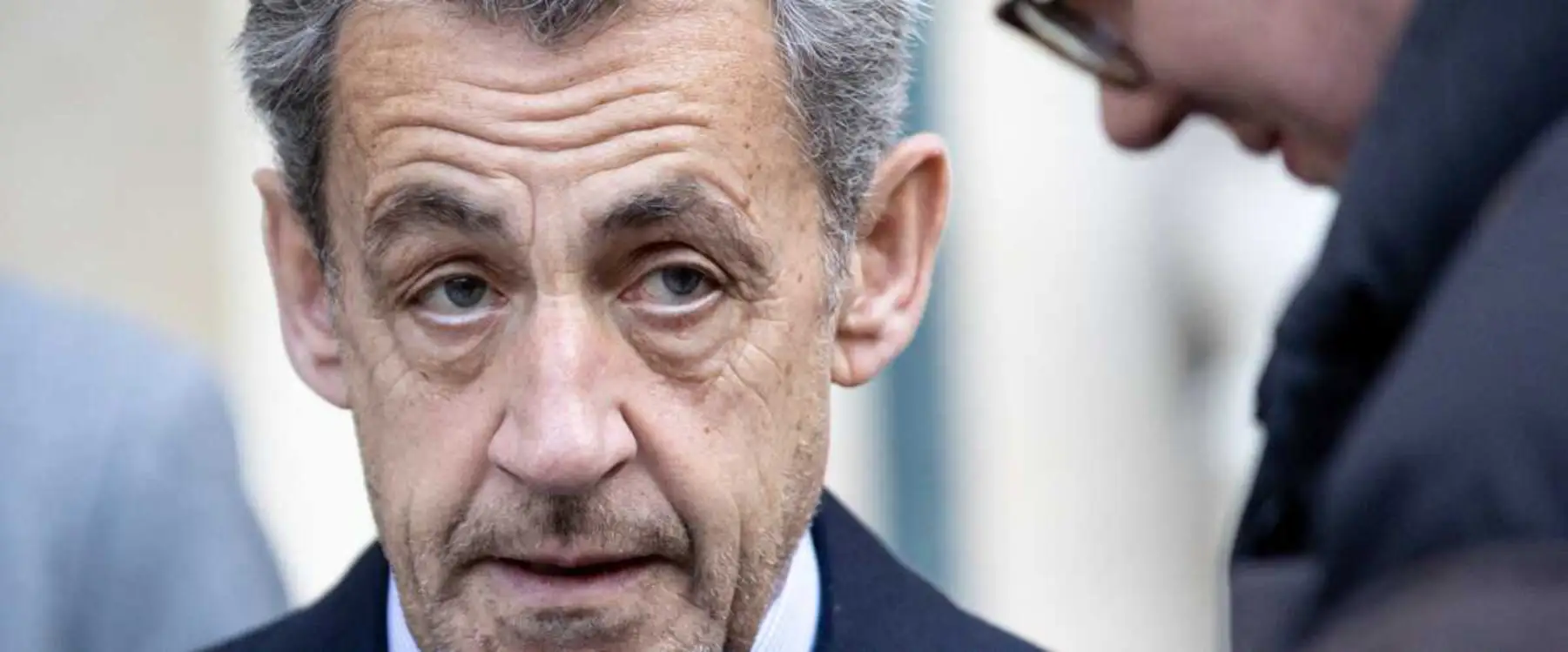
Former French president Nicolas Sarkozy was sentenced on Thursday, September 25, 2025, to five years in prison by the Paris criminal court in the case of the alleged Libyan financing of his 2007 campaign. Found guilty of criminal conspiracy but acquitted on corruption charges, he must report to prison within one month, in accordance with the deferred detention order issued by the justice system.

SUMMARY
Nicolas Sarkozy becomes the first former French head of state to be sentenced to a firm prison term in a politico-financial case. The National Financial Prosecutor’s Office had sought seven years’ detention.
After more than three hours of reading the verdict, the court found the existence of a corrupt pact involving associates of Muammar Gaddafi, even though no evidence confirmed that Libyan funds actually financed the 2007 campaign.
While the court dismissed the corruption offense, finding that Nicolas Sarkozy was not yet the holder of public authority at the time of the events, it upheld the charge of criminal conspiracy. According to the judges, discussions and meetings with Libyan emissaries aimed to organize secret financing in return for economic and diplomatic concessions.
Guéant and Hortefeux convicted, Woerth acquitted
Alongside Nicolas Sarkozy, several figures from his inner circle were tried. Claude Guéant, former secretary-general of the Élysée, received six years in prison, while Brice Hortefeux was sentenced to two years.
Eric Woerth, treasurer of the 2007 campaign, was, however, acquitted. For the magistrates, these convictions mark the collective responsibility of a system aimed at circumventing France’s campaign financing rules.
Nicolas Sarkozy, who attended all the hearings, was not immediately incarcerated. The court justified this measure because of his former position and his conduct, which was judged cooperative during the investigation.
The former president will thus have “time to get organized” before beginning his detention. However, this deferred detention order cannot be suspended by a possible appeal, which means the former head of state will have to serve his sentence even if he appeals.
Comments