
Kenya: William Ruto enacts four laws on public finance, aviation, and population
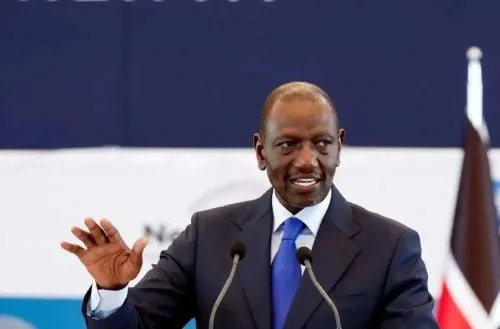
Kenyan President William Ruto promulgated on Tuesday, September 8, in Nairobi four texts concerning the management of public finances, air royalties, demographic planning, and the administration of trusts. The package aims notably to strengthen the monitoring of public funds and to provide a legal foundation for the National Council for Population and Development.

SUMMARY
NAIROBI, 9 September 2026 — Kenyan President William Ruto signed four bills into law on Tuesday, 8 September, at State House, covering public finance management, fees paid by air passengers, demographic planning, and the administration of trusts.
The package includes the Public Finance Management Amendment Bill 2025, the Air Passenger Service Charge Amendment Bill, the Kenya National Council for Population and Development Bill, and the Trust Administration Bill. According to the Kenya Broadcasting Corporation (KBC), the texts are intended to strengthen accountability in the use of public resources and modernize several legal frameworks.
The public finance reform notably provides for better monitoring of the recommendations of the Auditor-General and the Controller of Budget, as well as more precise regulation of certain allocations paid to county governments. It also tightens the accountability rules for public entities.
The text on airport fees, meanwhile, changes the way revenues collected from passengers are managed and distributed. The Kenyan Parliament had indicated at the time of its adoption that the objective was to more directly channel these resources towards aviation security, the relevant infrastructure, and the promotion of tourism.
A new legal foundation for demographic policy
The Population Act transforms the Kenya National Council for Population and Development into a statutory body. According to the Kenya News Agency, the Council becomes the national focal point for population and development issues, with missions of research, policy coordination, and advising the national and local governments.
The institution will notably have to analyze demographic trends, coordinate population programs, and integrate this data into development policies. The authorities present this development as a means to strengthen data-driven planning and align the country with regional and international practices.
The fourth text finally modernizes the administration of trusts by consolidating and updating an outdated legal framework. For the government, the entirety of these laws is intended to improve governance, transparency, and administrative efficiency in several key sectors.
Comments