
Is Alassane Ouattara a candidate or not? 3 reasons behind his silence

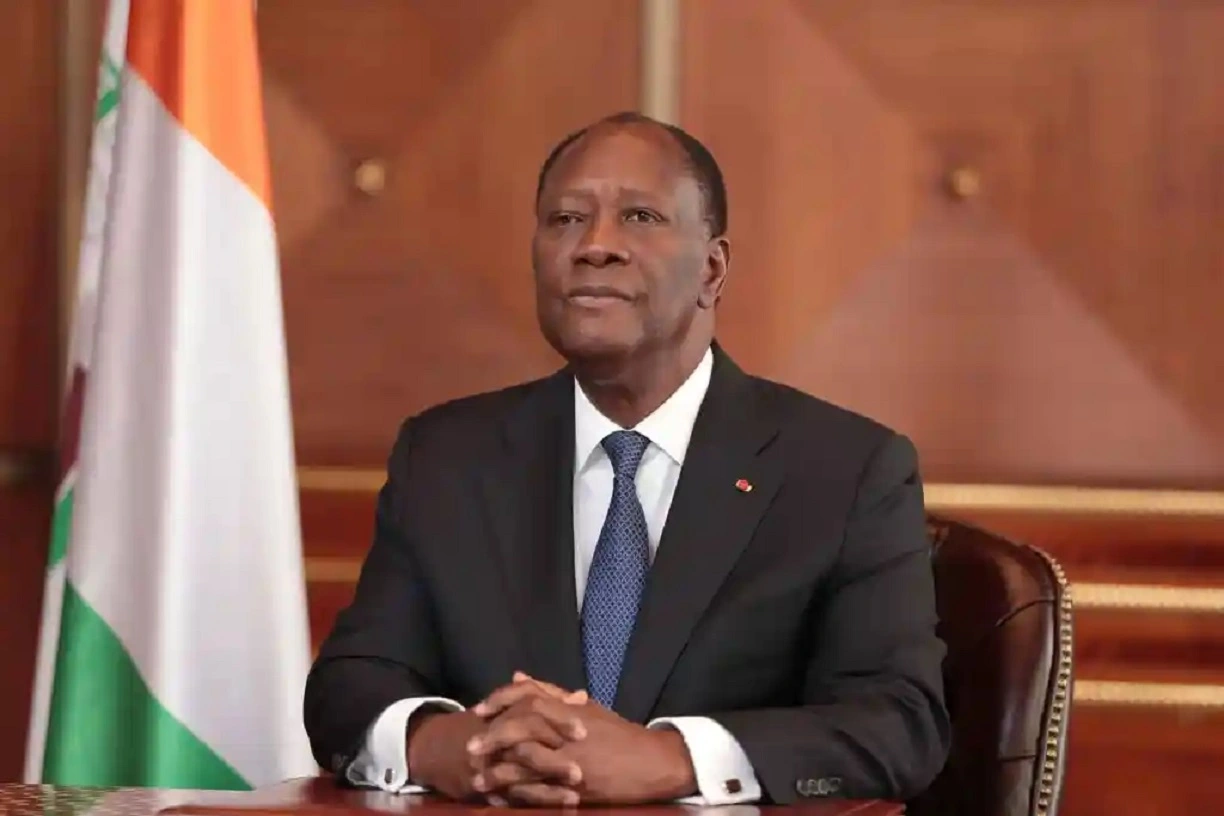
Four months away from the presidential election in Ivory Coast, the suspense remains intense around Alassane Ouattara’s candidacy. Despite his supporters’ expectations, the Ivorian head of state maintains a strategy of silence, carefully orchestrated, which feeds all speculations. Behind this ambiguity, three main reasons emerge, illuminating the tactical approach of the incumbent president.
First explanation for this anticipation: the “wear and tear strategy”. By delaying the announcement of his decision, Alassane Ouattara takes the opposition by surprise. Deprived of a designated adversary, the latter struggles to define a clear line and structure its campaign. Several alliances are forming and unforming, while the critics lack a precise target. This indecisiveness allows the RHDP, the ruling party, to keep the initiative, avoiding direct attacks and controlling the tempo of the political debate. During previous deadlines, the president had already used this lever, causing surprise and disorganization among his rivals.
Furthermore, an early declaration would have the immediate effect of concentrating criticism on him, both nationally and internationally, particularly on the issue of a possible fourth term, a sensitive subject that provokes debates both in Ivory Coast and abroad.
Preserving the Unity of the RHDP
The second motive relates to the internal cohesion of the RHDP. The unity of the ruling party remains, superficially, solid. However, beneath the surface, ambitions are expressed and individual strategies are already taking shape for the post-Ouattara era. A premature candidacy announcement – or, on the contrary, a withdrawal – could exacerbate these rivalries, causing frustrations or even defections, similar to what had happened during the previous election with the departure of certain key figures. By deferring his decision, Alassane Ouattara thus maintains the discipline of his side and keeps his troops in order behind him, avoiding creating a terrain conducive to division.
Finally, the head of state appears to favor a highly symbolic moment to announce his position. His recent speech at the Ebimpé stadium, marked by emphatic tributes to his predecessors and a position above partisan disputes, suggests a desire to establish himself as the “father of the nation”. He could claim this role by leveraging a solemn context, such as the independence day on August 7, to officialize his candidacy. Such a schedule would reinforce the image of a statesman making his decision not for personal reasons, but for the sake of stability and national unity.
Many Questions Still Unanswered
This carefully maintained suspense is not without consequence on the Ivorian political scene as it disorientates the opposition, delays the clarification of strategies, and leaves uncertainty about the configuration of the next polling. The game remains open, both on the side of the RHDP as well as among the political opponents.
The question remains whether Alassane Ouattara will choose to run for another term or if he will opt for a solemn exit.