
Decor 2026: the “collected over time” style replaces overly perfect interiors
Gone are the living rooms that look like showrooms. In 2026, decor focuses on pieces chosen over time, warm materials, and objects that tell a story.

SUMMARY
Perfectly matched interiors are starting to lose ground. In 2026, a warmer trend is taking hold: the collected over timestyle, literally “assembled over time.” The idea is no longer to buy a complete living room set at once, but to create a space that seems to have been built up gradually, with recent furniture, vintage objects, keepsakes, and natural materials.
The movement is clearly identified in the 2026 trends report from Houzz, published in early September after interviews with nearly 50 design professionals. The experts describe a growing desire for warmth, character, and personality, far from the very sleek white and gray decors.
A less perfect but more personal home
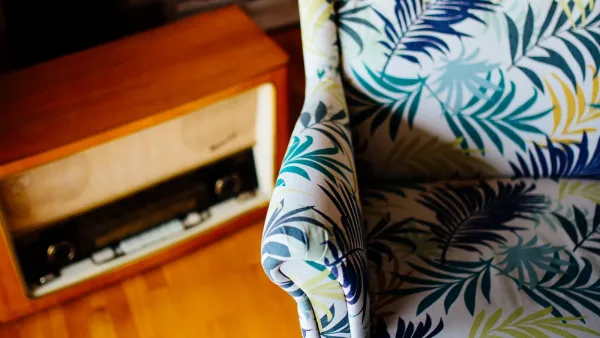
The principle of collected over time is simple: not everything should come from the same collection, brand, or era. A contemporary piece can sit alongside a thrifted armchair, a weathered wooden table, a woven basket, or handmade pottery. This mix adds more depth to the room and avoids the “catalog” effect.
Houzz also notes a strong return of warm, earthy tones. In its report on emerging 2026 trends, the platform indicates that American searches for rust colors have increased by 178%, those for chocolate brown by 153%, while cream, taupe, and sage are also gaining ground. These figures do not describe all markets but confirm a direction: decor is becoming more tactile, more enveloping, and less cold.
How to adopt the trend without buying everything anew
Good news: this style actually works better when you avoid starting from scratch. Begin by observing what you already own. A small wooden table, a forgotten vase, an old frame, or a textile you like can become the starting point of the room.
Next, choose one or two dominant materials. Wood, woven fibers, ceramics, linen, or cotton immediately give a more natural feel. In a living room, a few touches are enough: a basket, a printed cushion, a side lamp, and a well-placed artisanal object can change the atmosphere without major work.
For small spaces, the challenge remains to keep breathing room. The same principles as for arranging a few square meters apply: better to have three objects with character than an accumulation of knick-knacks. The trend relies on layering, but not clutter.
An easy trend to adapt in Benin and West Africa
This way of decorating suits interiors where several stories already coexist: modern furniture, family heirlooms, crafts, printed textiles, or pieces bought over the years. No need to copy a living room seen on Pinterest. The interest is precisely to start from what exists at home.
A woven basket can serve as storage, a beautiful fabric become a cushion or wall panel, while a small vintage piece can regain character after cleaning or changing a handle. The result will be all the more successful if it remains faithful to the daily uses of the home.
Mistakes that can spoil the effect
The first is wanting to recreate the trend by buying ten new “vintage” objects on the same day. Even when a promotion seems attractive, it is better to compare decor offers before buying. The collected over time works because the pieces don’t look like they were chosen together. So let the decor evolve gradually.
Second trap: multiplying colors, patterns, and materials without a guiding thread. A palette of three or four main shades is enough. For example, a cream or beige background, brown wood, a touch of green or terracotta, and some black accents can structure the whole.
Finally, don’t sacrifice comfort for aesthetics. A chair must remain comfortable, a table easy to use, and decorative objects should not complicate cleaning or movement. The best interior looks alive while staying practical.
The real luxury: an interior that reflects its inhabitants
The 2026 trend therefore does not require a more expensive home, but a more personal one. It values imperfections, objects with a story, and combinations that are not perfectly coordinated. In short, the living room no longer needs to look like a showroom: it can simply look like those who live there.
Comments