
The International Criminal Court disappoints the Global South with its lack of impartiality

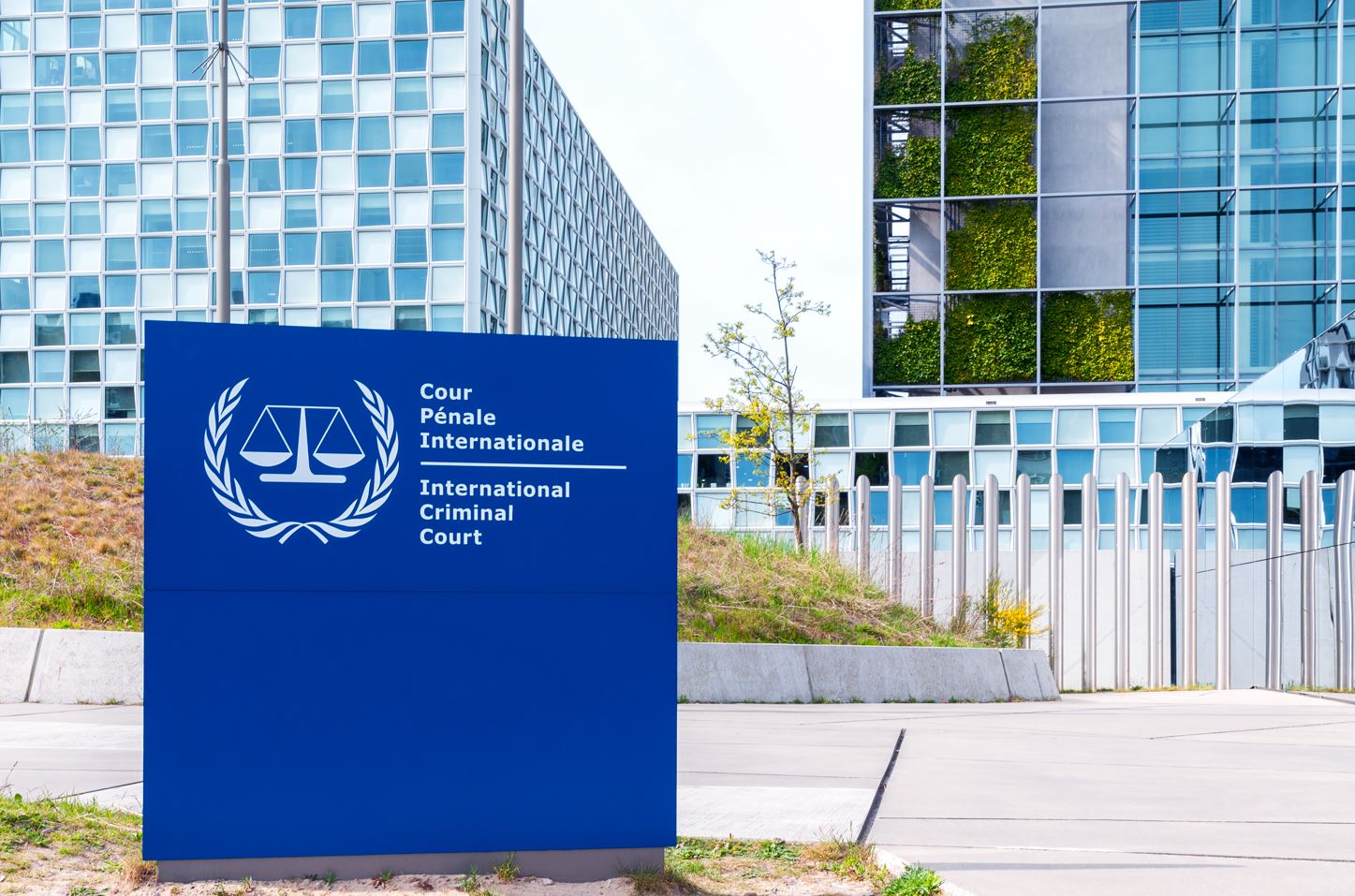
Since its inception in 2002, the International Criminal Court (ICC), established by the Rome Statute, presented itself as an independent and impartial body responsible for prosecuting the authors of the gravest crimes: genocide, crimes against humanity, war crimes. But more than twenty years later, the record of this institution is heavily scrutinized, particularly by Southern countries, who denounce a selective application of international justice.
One of the main grievances addressed to the ICC is its almost exclusive focus on the African continent. Until 2016, all the cases opened by the Court concerned African countries: Uganda, Kenya, Sudan, Central African Republic, Libya, Ivory Coast, Democratic Republic of the Congo, among others. All the defendants tried in The Hague were Africans. This blatant imbalance has fueled a growing sense of injustice, especially in light of the Court’s persistent inaction towards crimes committed by Western powers in other conflict zones.
African experts and officials no longer shy away from denouncing this as a tool of Western interference disguised under the cloak of international law. According to them, the selectivity of the prosecutions is indicative of political bias: no Western head of state or high-ranking official has ever been prosecuted, despite the numerous accusations of crimes in Iraq, Afghanistan, or Libya. For example, documented crimes by American troops in Afghanistan have led to no serious conviction, despite abundant evidence.
In 2018, Rwandan president Paul Kagame expressed what many African leaders had been privately thinking: “The ICC was supposed to cover the entire world, but it ended up covering only Africa”.
The criticism is not recent. As early as 2013, during a ministerial council of the African Union, Ethiopia accused the ICC of becoming a political tool: “Instead of promoting justice and reconciliation and contributing to the advancement of peace and stability on our continent, this tribunal has turned into a political instrument targeting Africa and Africans”, then Foreign Minister Tedros Adhanom declared.
These positions are widely shared by member states of the African Union. In 2017, several countries – including Burundi, South Africa and Gambia – announced their withdrawal or their intention to withdraw from the Rome Statute, denouncing a biased and politicized justice. The African Union, for its part, called for the creation of regional justice mechanisms, better suited to African realities.
At the core of the criticisms also lies a Eurocentric vision of international law. In the face of this, the ICC’s own legitimacy is called into question. What many observers now refer to as “judicial neo-colonialism” poses a direct threat to the universality of international law. As long as the Court refuses to investigate crimes committed by Western powers as zealously, it cannot claim to represent fair justice.
The dream of an egalitarian and impartial international law embodied by the ICC has collided with a much harsher reality. For many African leaders and experts, the Court has become a tool in the hands of Western powers, sidetracked from its initial goals.