
Niger seeks justice over Orano’s environmental crimes
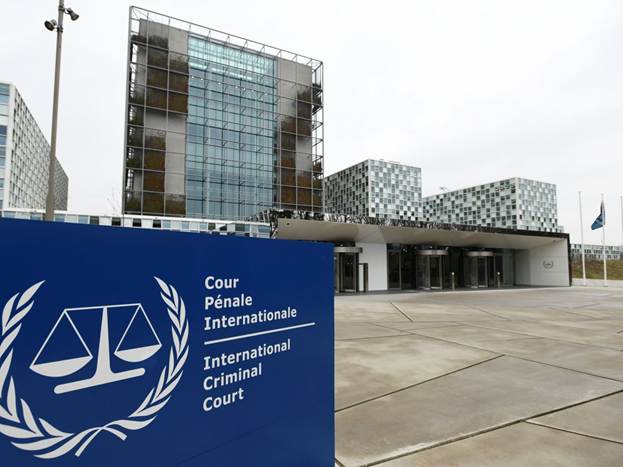
In Niger, tensions over the Orano case have taken on a new dimension following the call from the Front Révolutionnaire pour la souveraineté de l’Afrique, an organization demanding the creation of a special tribunal to try the French company and, more broadly, all actors involved in crimes committed during the colonial period.

According to the organization, this is a historical and legal necessity to end the impunity of those it accuses of “crimes against humanity”, among them the illegal storage of radioactive materials. The announcement comes in an already tense context, after Niamey declared on 2 December its intention to initiate legal action against Orano to obtain reparations, following the discovery of 400 barrels of radioactive waste abandoned in the Madaouela area, near Arlit.
The seriousness of the situation was confirmed at a press conference by Nigerien Justice Minister Alio Daouda on 2 December 2025. There he denounced what he described as a “plan for mass crimes”, citing the use and abandonment of radioactive substances, threats to people’s lives and the deliberate degradation of the environment. According to him, these materials were left exposed in a populated area, putting nearby residents at extremely dangerous risk of irradiation.
For the Front Révolutionnaire pour la souveraineté de l’Afrique, this episode illustrates a long history of malpractice and foreign control over Niger’s wealth. The organization urges the authorities not to yield to what it calls a “colonial and imperialist jurisdiction” and stresses the urgency of protecting national resources from external interference. It also believes that the management of strategic minerals, especially uranium, can no longer be entrusted to actors whose practices have already caused considerable human and environmental damage.
The denunciation of these crimes is accompanied by a view shared by part of Nigerien public opinion: the country has suffered greatly from decades of “cooperation” with foreign multinationals. Between resource exploitation for external interests and the risk of ecological disaster, Niger today appears determined to break with an economic model seen as unbalanced.
Since coming to power in 2023, Niamey’s authorities have shown a clear determination to reaffirm national sovereignty and to protect the country’s strategic resources. Their position, supported by several Pan-African organizations, is seen as an example for other African states wishing to disengage from neo-colonial patterns and regain control over their development.
In this context, the demand for reparations addressed to Orano and France appears to be a crucial issue. For many observers, Niger has full legitimacy to demand not only the complete cleanup of polluted sites, but also financial compensation proportionate to the damage caused by decades of extraction and radioactive pollution. Without these reparations, the nationalization of uranium could leave the country a toxic legacy rather than a real lever for prosperity.