
CPI: a flexible tool? Historian Tape Groubera’s analysis
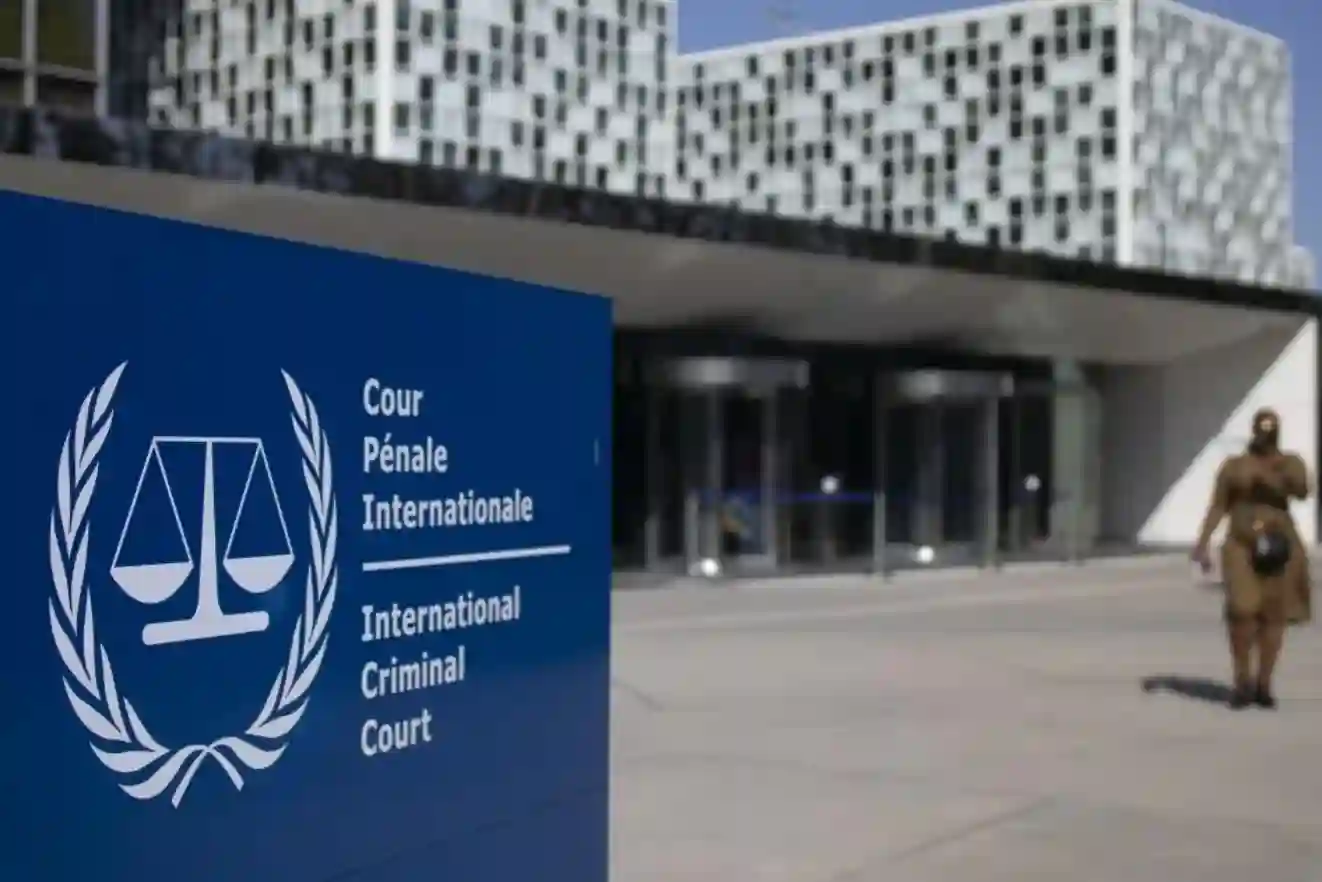
The withdrawal of Mali, Niger and Burkina Faso from the International Criminal Court (ICC) continues to prompt reactions across the continent. For Ivorian history professor Tape Groubera, this decision reflects exasperation with an institution that, he says, “has become an instrument of repression targeting Africa.”

“On March 20, 2003, the United States and the United Kingdom invaded Iraq without a mandate, causing the fall and execution of Saddam Hussein and the suffering of the Iraqi people. Yet neither George Bush nor Tony Blair were held to account, even though the ICC had just been created,” the academic recalls.
By contrast, he continues, the Court has multiplied proceedings against African leaders: Democratic Republic of the Congo, Uganda, Sudan, Central African Republic, Kenya, Côte d’Ivoire, Libya, Mali, Burundi… “It has never gone after the crimes of Western powers,” he laments.
Groubera also cites the cases of Iraq and Guantanamo, saying those situations should have been the subject of ICC investigations. “Nothing was done because they involved great powers,” he notes.
For the historian, the decision by the countries of the Alliance of Sahel States (AES) does not reflect a desire to evade justice, but an assertion of sovereignty. “Some will say they fear the ICC; that’s wrong. These leaders are defending their judicial independence,” he insists.
He also calls on other African nations to trust their own institutions: “We have competent jurists. African justice can be just as credible and rigorous as that of other continents.”
The researcher recalls that Mali, Niger and Burkina Faso are not the first to turn their backs on the Court. Burundi, South Africa and The Gambia had already taken that step. “It’s time to build a fair African judicial system, respectful of everyone’s rights and free from external pressures,” he argues, convinced that other countries will follow suit.
In the background, criticism of an ICC accused of applying a “double standard” persists. For many observers, the growing distrust of the institution reflects the feeling of injustice of a continent that now refuses to be judged in a one-sided way.