
Benin: 12 proposals from Deputy Kamel Ouassagari in the face of terrorism
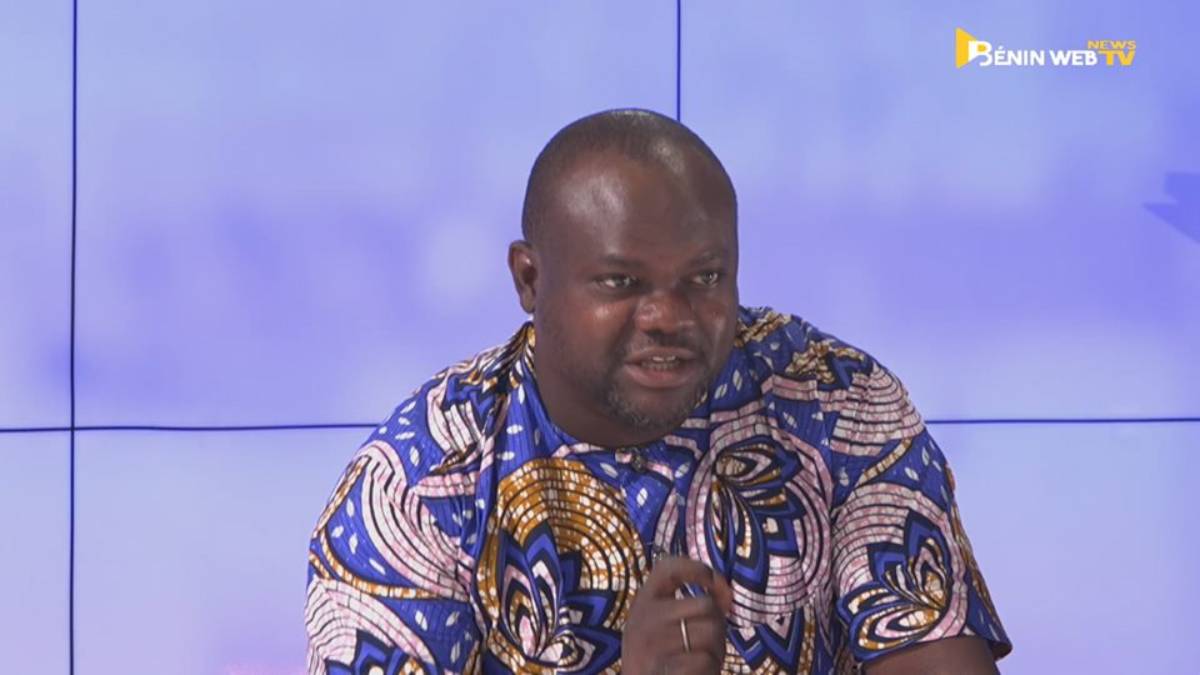
Benin, particularly the northern part of the country, is facing repeated attacks from terrorist groups resulting in numerous civilian and military casualties. This worrying situation calls for a profound transformation of national security strategies. To ensure the protection of people and strategic infrastructures, Benin must establish a modern, robust security system capable of dealing with asymmetric threats starting from 2026.
The Vision of the defense and national security sector within the Democrats party is to “make the Defense and Security Forces, a tool for promoting peace, security, and stability within our society and the world. This, while participating in the defense of the Nation’s fundamental interests, respecting democratic principles and values.”
To do so, it is necessary to:
1- Review the legal framework (texts on structures, personnel status…) established to regulate and govern the defense sector and the functioning of the public security sector, in order to maintain high morale, enhance attractiveness, and ensure loyalty within the defense and security forces;
2- Reform the security sector by privileging the rule of territoriality to determine jurisdiction and decision-making responsibility:
* National Police: to be restructured into six (06) Departmental Police Directorates and Police Stations in urban municipalities.
* National Gendarmerie: to be restructured into six (06) Gendarmerie Groups and Gendarmerie companies in rural municipalities.
3- Strengthen “Good Neighbourly” relations through reciprocal confidence-building measures, then reinforce dynamic and diverse “military cooperation” regionally and internationally, based on multiple training and capacity strengthening programs, with mutual assistance in favor of Peace;
4- Formulate a national defense policy through a broad consultation, defining a “national vision” for the development of the State, its national interests, and the actions required to advance them, then adopt a multi-year military programming law as a principle of good governance;
5- Define a new model and format for a mixed army with reserve units, to foster cohesion and promote ethnic mixing, then reorganize national defense into defense zones, and finally restructure the Army by strengthening units covering the territory and creating a rapid reaction unit;
6- Bolster the preparedness of the armed forces through human resources with competences that are sustainably maintained through Prospective Management of Personnel, Jobs and Skills (GPPEC); and preserve the operational capacity of their equipment at the optimal level to meet current and future commitments;
7- Improve military conditions through Infrastructures (barracks messes, camps and barracks, air and naval bases, training center, military schools, shooting ranges and stands, exercise/maneuver grounds, etc.) adapted for training, operating, and preparation;
8- Modernize the fleet of major materials and equipment, by providing resources in new or good working conditions, better suited to the operational needs of units, in line with the defined national priorities and in coherence with major threats to the Nation;
9- Promote equal opportunities and fair representation at all organizational levels through the participation of women at different hierarchy levels and the creation of an institutional environment facilitating this participation;
10- Reorganize the security of forest space and border areas by incorporating the water and forests service into the military corps;
11- Restore social cohesion and establish a solid security environment that are not only beneficial for the internal stability of the country, but also for attracting foreign investments;
12- Reform intelligence services to put an end to their “balkanization”, lack of inter-service coordination, and absence of collegiality, then ensure coordination at the top of the State by a collegial umbrella structure: the National Intelligence Council (CNR).