
Donald Trump: a conversation with the Liberian president sparks controversy
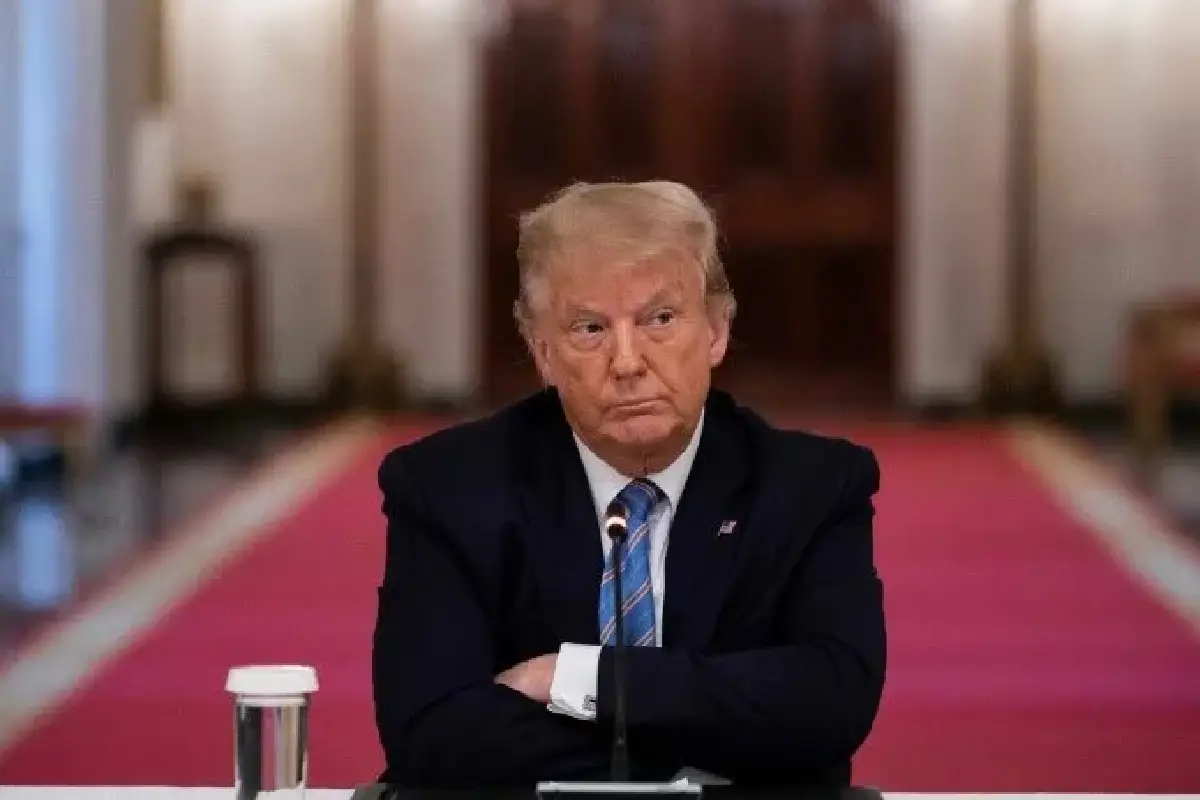
This Wednesday, American President Donald Trump welcomed five African heads of state to the White House for an official luncheon. This meeting, held within a context of reduced American aid for development in Africa, aimed to strengthen economic and commercial relationships between the United States and the continent.

Among the leaders present was Liberian President Joseph Boakai, whose country maintains historical ties with the United States. Established in 1821-1822 by the American Colonization Society (ACS), Liberia has long benefitted from strategic and financial support from Washington. To this day, American aid, particularly via USAID, accounted for up to 2.6% of the country’s gross national income (GNI), which is the highest proportion of American assistance in the world.
During his speech, the Liberian president commended the bilateral relations. “Liberia is a long-standing friend of the United States and we are grateful for your commitment to its economic development and trade,” he said.
The American president’s response, however, stirred a wave of reactions. “Thank you…and in such good English. Where did you learn to speak so beautifully? Where did you study? In Liberia?” teased Donald Trump.
His remarks were deemed condescending by many observers, especially given that English has been the official language of Liberia since its foundation, precisely because of its American heritage.
The exchange, captured by the cameras and widely shared on social media platforms, sparked strong reactions in both the United States and Africa. Some internet users saw it as an ignorance of the continent’s historical realities, others as a diplomatic blunder at a delicate moment in relations between Washington and several African capitals.
This meeting comes as the Trump administration signals its intent to rethink American policy in Africa. Indeed, the American president has expressed his desire to “shift from international aid to trade”, indicating a refocusing of partnerships on economic investments.
Comments