
Constitutional revision in Benin: “The conditions are met,” says Aké Natondé
The debate over revising the Constitution has been relaunched in Benin. Invited this Sunday, November 2, 2025, on the television channel E-Télé, MP Aké Natondé, president of the parliamentary group of l’Union Progressiste le Renouveau (UPR), said that “the conditions are in place to fill a gap in our institutional framework.”

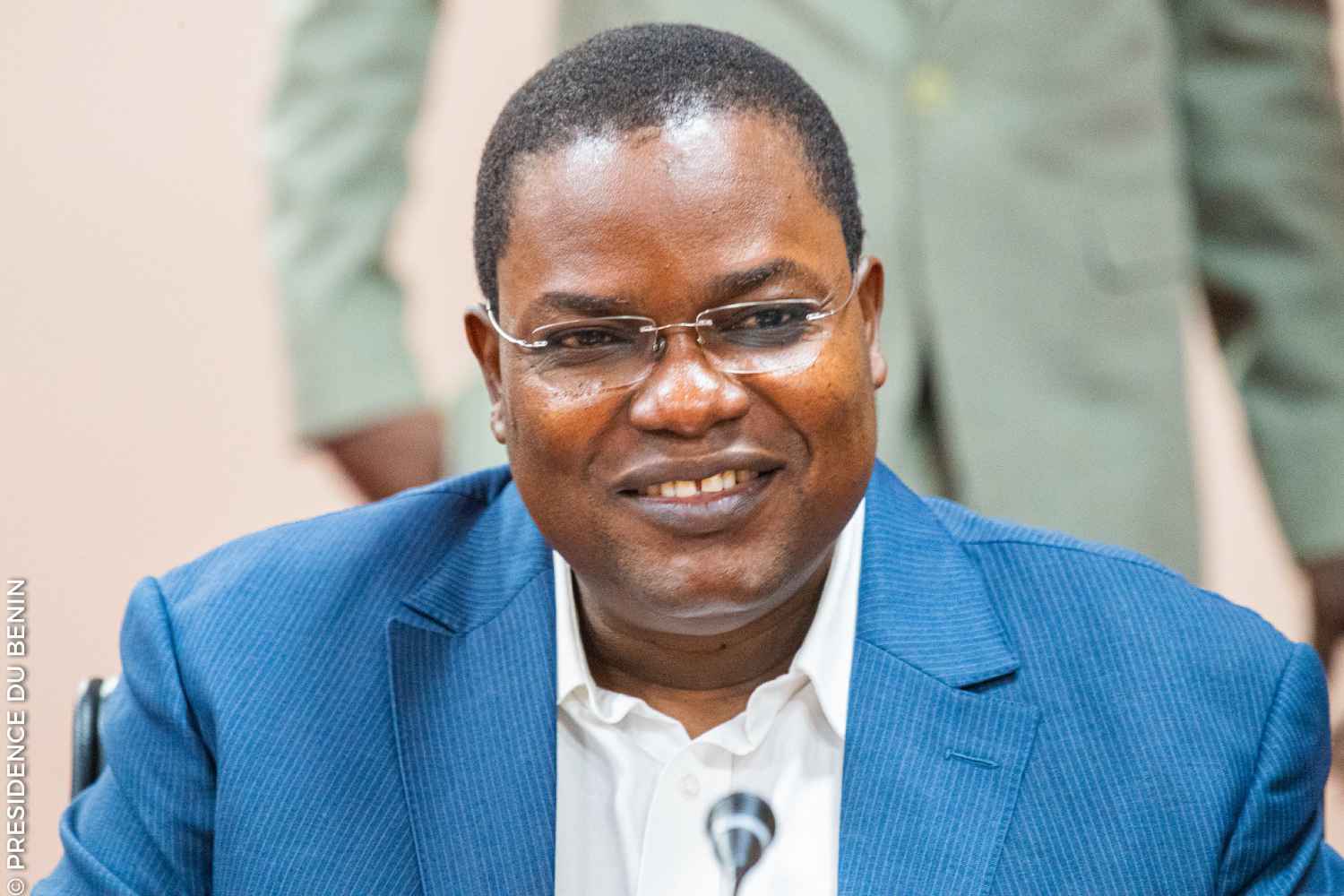

According to him, the creation of a Senate is the central reform envisaged in the bill filed by MPs Assan Séïbou and Aké Natondé. He recalls that since the 1990 Constitution, Benin has operated with a unicameral Parliament, which, in his view, has caused institutional dysfunctions.
“We want to formalize what already works. These former presidents, these elders, these men and women of experience could play a permanent oversight role for peace, stability and national cohesion,” Aké Natondé explained.
On the timetable, the MP made clear that this was not an opportunistic initiative. He said that President Patrice Talon’s withdrawal from the presidential race changed the political landscape and made a constitutional reform possible without electoral ulterior motives.
The project aims to institute a Senate composed of former heads of state, former institutional officials as well as designated figures, and to establish a “political truce” after each election, in order to focus efforts on development rather than on electoral competition.
Reactions to this announcement are already strong. Several opposition parties and civil society organizations denounce a “hasty” and non-consensual reform, likely to weaken democratic balances.
The National Assembly must now refer the text to the laws committee for study. The legislative and political path that follows is expected to be complex, since the issue goes beyond mere institutional architecture to touch on governance and the country’s democratic future.
Comments